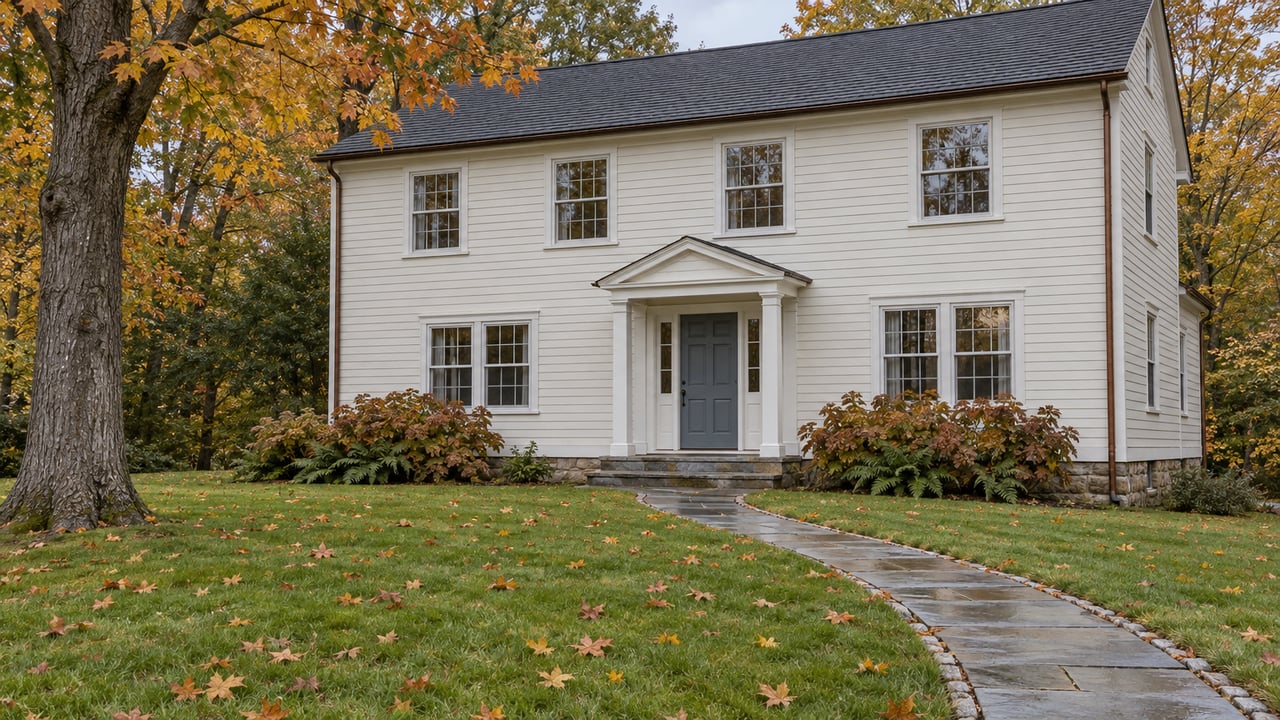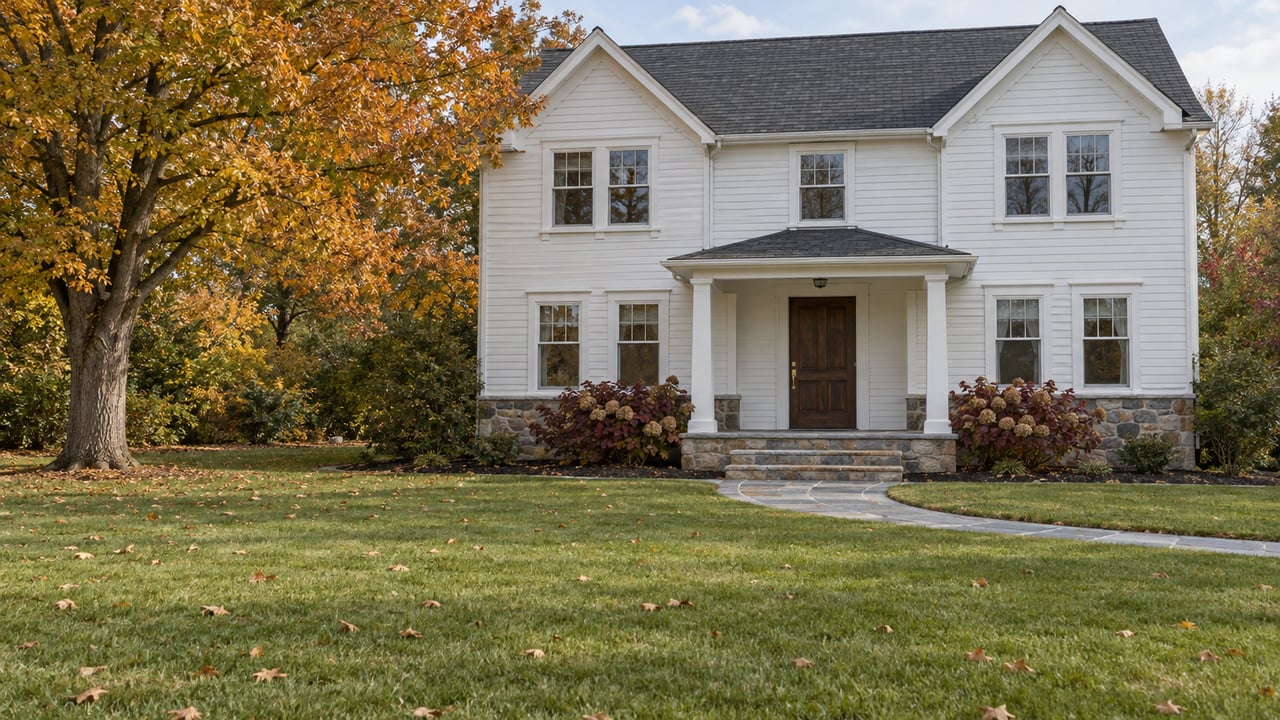
Thinking about selling your Hopewell Junction home can feel exciting and stressful at the same time. You want a strong price, a smooth timeline, and a plan that helps you avoid costly mistakes. The good news is that confidence usually does not come from guessing. It comes from preparation, smart pricing, and clear guidance from day one. Let’s dive in.
Start planning earlier than you think
If you may sell within the next 6 to 12 months, now is a good time to begin. Research shows many prospective sellers get ready in a month or less, but many have also been thinking about selling for one to three years before they actually list.
That tells you something important. Listing prep is often faster on paper than it feels in real life. If your home needs repairs, decluttering, touch-ups, or staging, giving yourself extra time can make the process feel far more manageable.
Seasonal timing can matter too. Realtor.com identified April 12 to 18, 2026 as the best week to sell nationally, with homes listed then historically getting 16.7% more views and selling about nine days faster than the average week.
That does not mean spring is your only option. It does mean your best results often come from planning the launch well before the photos are taken and the listing goes live.
Understand the Hopewell Junction market
Hopewell Junction is one of the recognized hamlets within East Fishkill, and current market snapshots show why sellers need to look carefully at the numbers. Different sources track different things, so not every headline tells the same story.
Realtor.com’s 12533 data shows a median listing price of $622,500 and median days on market of 25. Its Dutchess County data shows a median listing price of $629,000, median days on market of 31, and a sale-to-list ratio of 100% in June 2026.
Redfin’s Hopewell Junction closed-sale data for the three months ending May 2026 shows a median sale price of $712,000, with homes averaging 55 days on market. Those numbers are not contradictory as much as they are measuring different stages of the market.
Here is the key takeaway: listing price, sold price, and days on market are not interchangeable. If you want to list your home with confidence, you need to understand which number applies to your decision.
Price from sold data, not optimism
Pricing is one of the biggest decisions you will make, and it matters even more in a rate-sensitive market. Freddie Mac reported the 30-year fixed mortgage rate at 6.49% on July 9, 2026, which means many buyers are still watching affordability closely.
In Dutchess County, Realtor.com described the market as balanced in June 2026. Homes were selling in a median of 31 days and for about asking price on average.
That kind of market usually rewards realistic strategy. It is not the same as a market where nearly any number works, and it is not a signal to overreach on price just because inventory is limited.
Realtor.com also notes that new listings get an automatic attention boost when they first hit the market. In other words, your first few days are often your highest-leverage window.
If you start too high and miss that early burst of attention, it can be harder to regain momentum later. That is why a strong pricing strategy should be built on recent local sold data, current competition, and your home’s actual condition and presentation.
Why launch quality matters so much
A well-priced home has a better chance of capturing serious attention right away. Research also shows that homes priced well at the start, updated nicely, well cared for, staged properly, and photographed professionally tend to draw more interest.
That matters in the Northeast, where price cuts have been less common than in many other regions. Realtor.com reported that just 9.1% of listings in the low-supply, high-demand Northeast had price reductions in its March 2026 report.
For you, that means the goal is not simply to get on the market. The goal is to launch in a way that makes buyers feel the home is worth seeing immediately.
Focus on prep that supports price
Getting your home ready does not always mean a full renovation. In fact, seller research suggests many people focus on practical steps first.
Realtor.com’s 2026 seller survey found that:
- 54% researched neighborhood prices
- 50% made small fixes or cleaned and decluttered
- 44% decided which improvements to make before listing
That list is helpful because it highlights what often moves the process forward. Before spending heavily, it usually makes sense to understand market value, take care of visible maintenance, and decide where improvements are likely to help.
Small fixes can have a big effect
Clean surfaces, working fixtures, fresh touch-up paint, and a less crowded layout can change how buyers experience your home. These details also help your photos look better, which is critical when buyers are deciding what to tour.
If you are not sure where to start, think in terms of buyer distraction. Anything that pulls attention away from the space itself may deserve attention before your launch.
Staging helps buyers picture the home
According to the 2025 staging report from NAR, 83% of buyers’ agents said staging made it easier for buyers to visualize a home as their future home. That matters because emotional connection often starts the moment a buyer sees photos online.
The most commonly staged rooms were:
- Living room
- Primary bedroom
- Dining room
- Kitchen
Staging does not always require a huge budget. NAR reported a median spend of $1,500 for professional staging and $500 when the seller’s agent staged the home personally.
Even modest styling can improve flow, highlight natural light, and help your home feel more move-in ready. In many cases, that stronger first impression supports both showing activity and pricing confidence.
Photos and video are part of the sale
Today, presentation begins online. NAR found that photos, video, virtual tours, and physical staging all matter to buyers’ agents, while sellers’ agents also emphasized the value of strong photos and video.
That means your marketing materials should not be treated as an afterthought. If your home shows beautifully in person but falls flat online, you may lose interest before a buyer ever books a showing.
Be ready for New York disclosure requirements
Selling in New York also means preparing for required disclosures. The state’s revised Property Condition Disclosure Statement became mandatory on July 1, 2025 for sellers of residential real property, with some exceptions.
In general, sellers must deliver the form before a binding contract, answer based on actual knowledge, and update it if new information makes the statement materially inaccurate. The state notes that the form does not apply to condos or co-ops.
The form also calls attention to issues such as flood maps, septic-system information, and pre-1978 lead-paint concerns. This is one more reason it helps to start early. Gathering information ahead of time can reduce stress when your listing moves from active showings into contract.
What a strong listing plan should include
Most sellers do not just want a sign in the yard. They want a clear path from pricing to closing, with communication that keeps everything on track.
Research from NAR shows that sellers rely on real estate professionals to price competitively, market the home, meet a timing goal, and identify fixes that may improve the sale outcome. Consumers also value reputation, honesty, trustworthiness, and constant communication.
That lines up with what many Hopewell Junction sellers need most: a process that feels organized and responsive, not rushed or reactive.
A practical marketing checklist
A strong listing plan should include:
- A local pricing analysis based on recent sold homes and current competition
- Prep guidance to prioritize repairs, cleaning, decluttering, and staging
- Professional photography and video
- MLS distribution for broad exposure
- Responsive follow-up from launch through contract and closing
OneKey MLS also notes that its consumer-facing site updates every five minutes, listings are automatically aggregated there, and buyers can set alerts. That makes launch quality and quick response even more important once your listing goes live.
Confidence comes from a repeatable process
If you are selling in Hopewell Junction, the current market supports a steady, informed approach. The data points vary depending on whether you are looking at list prices or closed sales, but the larger lesson stays the same.
You are more likely to feel confident when you begin early, price from real local evidence, prepare your home to show well, and stay ready for the disclosure and contract steps that follow. Confidence is not about picking the highest number and hoping for the best. It is about making decisions that help your home compete from the moment it hits the market.
If you are thinking about your next move in Hopewell Junction, The Price Team brings a warm, hands-on approach backed by strong marketing, responsive communication, and a process built to help you move forward with clarity.
FAQs
What is the current home selling pace in Hopewell Junction?
- Public market snapshots vary by source and by whether they track listings or closed sales. Recent data cited in this article showed median days on market ranging from 25 to 55, depending on the dataset and time frame.
How should a Hopewell Junction seller choose a listing price?
- A Hopewell Junction seller should base pricing on recent local sold data, current competing listings, and the home’s condition rather than choosing a number based on hope alone.
When should you start preparing to sell a Hopewell Junction home?
- If you may list within the next 6 to 12 months, it makes sense to start now so you have time for repairs, decluttering, staging decisions, and required paperwork.
What home preparation matters most before listing in Hopewell Junction?
- Research supports focusing on small fixes, cleaning, decluttering, staging key rooms, and using professional photos and video to improve early buyer interest.
What disclosure form do New York home sellers need before contract?
- In general, New York sellers of residential real property must provide the revised Property Condition Disclosure Statement before a binding contract, answer from actual knowledge, and update it if needed. The form does not apply to condos or co-ops.
Why does the first week on market matter for Hopewell Junction listings?
- New listings often get the most attention right away, so pricing correctly and presenting the home well from day one can help you make the most of that early exposure.