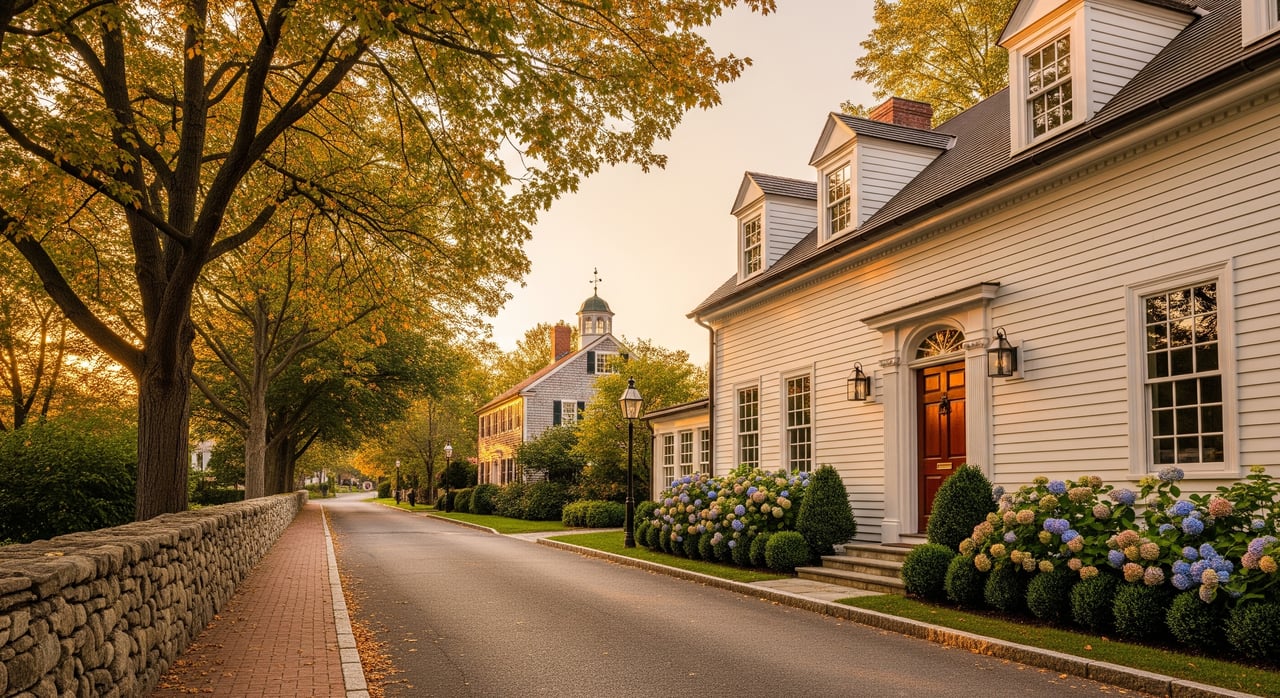
If you picture mornings that start with coffee on Main Street, errands on foot, and an evening show without ever moving your car, downtown Ridgefield might be exactly what you want. You care about character, convenience, and a lifestyle that fits busy weekdays and relaxed weekends. In this guide, you’ll learn where Ridgefield is truly walkable, the housing you’ll find in-town, how commuting works, and what to look for when you tour homes. Let’s dive in.
Where Ridgefield is walkable
“Walkable Ridgefield” centers on the Main Street business district and the residential blocks within about a 5 to 15 minute walk. Think roughly 0.25 to 0.75 miles from the center of downtown. Sidewalks and crosswalks cluster here, along with shops, dining, the library, and cultural venues. Beyond this core, Ridgefield becomes more hilly and semi-rural, so daily walkability drops off.
The 5–15 minute radius
A practical way to view the area is a simple walking-radius map centered on Main Street. Inside that circle you’ll find historic homes on smaller lots, a few multi-unit buildings or condo conversions, and newer in-fill that respects scale. You can park once in a municipal lot or at a curbside space, then handle most errands on foot.
Pedestrian and parking notes
Downtown offers curbside parking and several municipal lots. On the busiest blocks, expect time limits during the day and heavier demand on weekends and evenings. Most crosswalks are well marked in the core. Some residential approaches have narrower sidewalks or shared roadside space, and a few streets can be hilly. If you plan to rely on walking year-round, visit at different times and seasons to see how it feels for you.
Housing you will find in-town
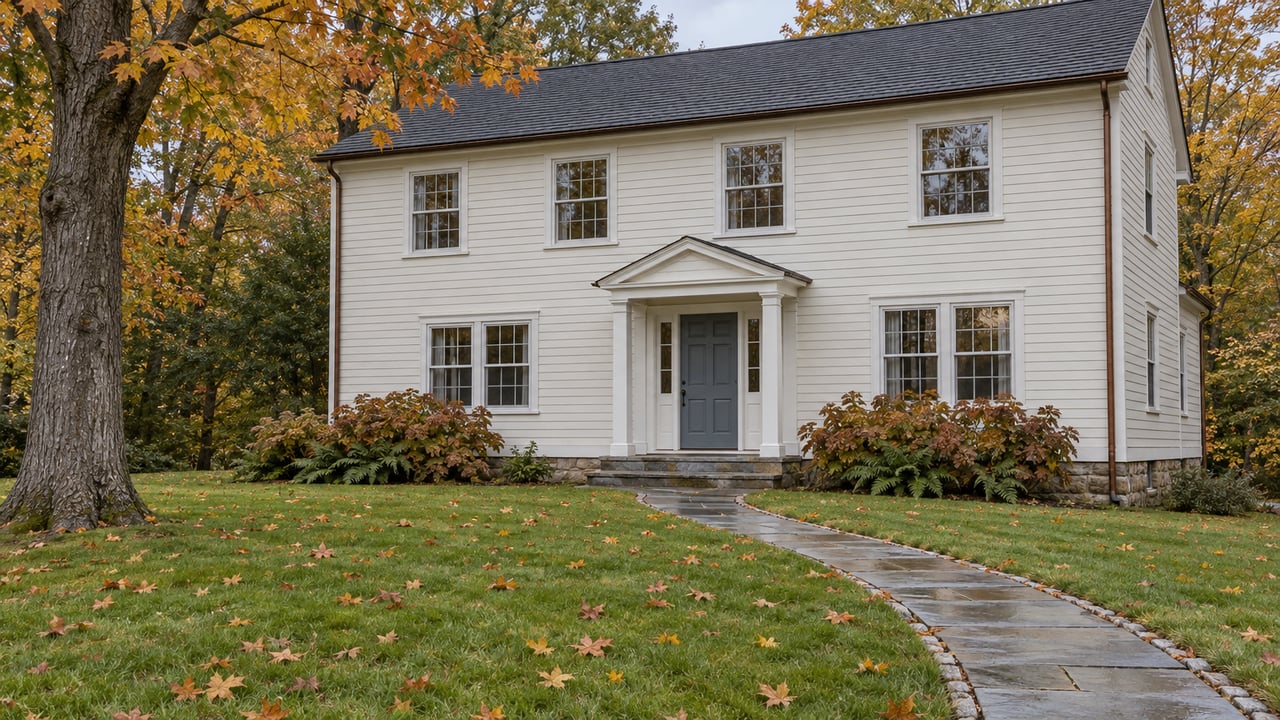
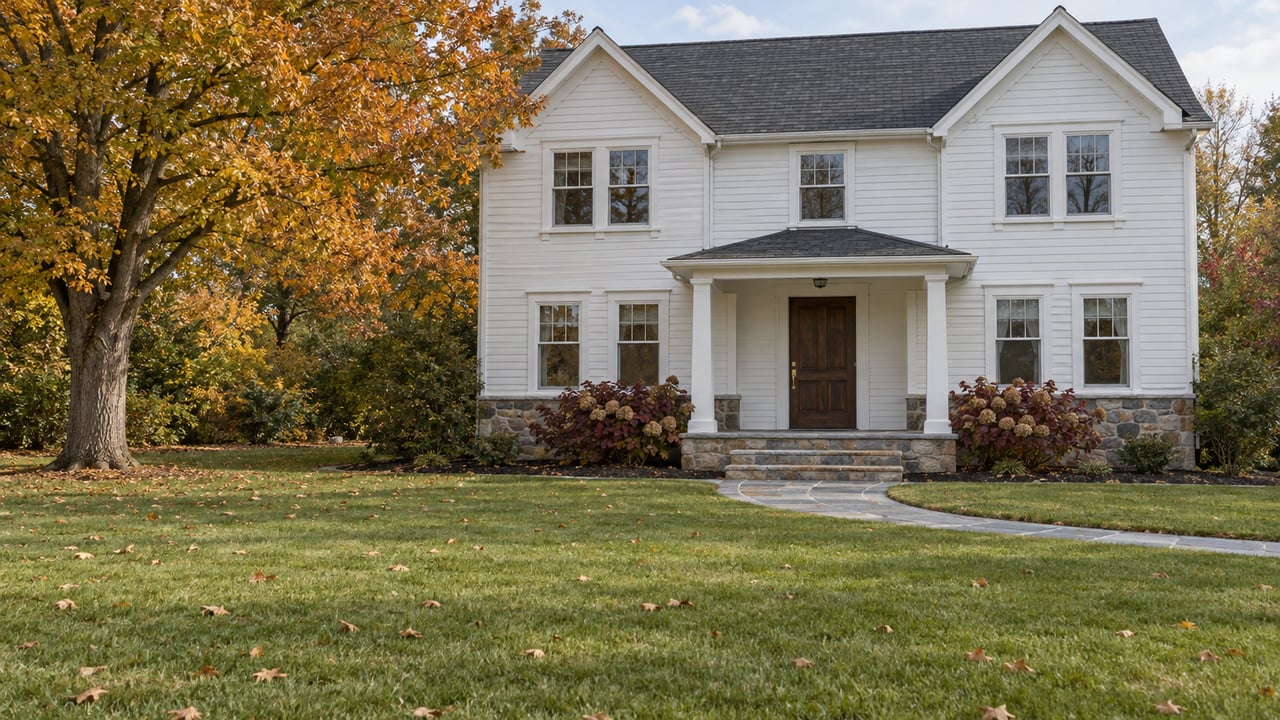
The in-town housing mix is part of Ridgefield’s charm. You’ll see a blend of historic and updated homes set on smaller lots than the country settings found elsewhere in town.
- Historic single-family homes near Main Street, including Colonial, Federal, Greek Revival, Victorian, Tudor, and Craftsman styles.
- Small multi-unit buildings or duplexes close to the commercial corridor.
- Limited condo or carriage-house conversions that offer lower maintenance and true walk-to-everything access.
- Newer in-fill single-family homes or thoughtful additions that blend into the historic fabric.
Condition and renovation considerations
Many downtown homes are older, and that’s part of the appeal. It can also mean updates to HVAC, electrical, insulation, roofing, and plumbing are worth reviewing. Plan a professional home inspection and consider checks for materials typical in older properties. Parts of downtown are historically sensitive, so exterior work may require review. Before planning changes, consult the Ridgefield Historic District Commission and verify rules that could apply to your block.
Everyday amenities within steps
Living in-town puts daily needs within an easy walk. You can reach coffee shops, casual and upscale dining, boutiques, pharmacies, banks, the post office, professional services, and the Ridgefield Library. Seasonal events and markets often cluster along Main Street, which supports a true park-once lifestyle.
Cultural anchors enrich day-to-day life:
- Explore exhibits at the Aldrich Contemporary Art Museum.
- Catch a concert or performance at the Ridgefield Playhouse.
- Step into local history at the Keeler Tavern Museum & History Center.
Greenspace and parks
You’ll find pocket parks and small green spaces in the core. Larger natural areas are a short drive or bike ride away. Many residents enjoy a hybrid routine: walk for errands, arts, and dining, and drive to trailheads or bigger parks when they want more outdoor time.
Getting around and commuting
Most in-town residents still use a car for regional travel, but the park-once lifestyle shrinks your daily driving for errands and nights out.
- Driving access: U.S. Route 7 serves north-south travel. I-84, reached via Danbury to the north and east, is the closest major highway for longer commutes.
- Rail: The Metro-North Danbury Branch serves the area, with Branchville station within the broader Ridgefield area. Riders typically transfer to main lines for New York City access, which can extend travel time compared with direct lines. Check current timetables on the Metro-North Railroad schedules.
- Bus and regional transit: Options are more limited than in larger Fairfield County hubs. Many commuters drive to a station or directly to a highway.
Commute tradeoffs to consider
If you value in-town walkability, assume you’ll trade some transit simplicity for daily convenience. You might park downtown, walk to dinner and the library, and still drive to Branchville or Route 7 for work. Test your commute at peak times, and compare multiple routes so you know what to expect.
Price tiers to expect
Specific prices change often, and in-town inventory can be limited. Think in broad tiers instead:
- Entry level: Walkable condos, carriage-house units, and small multi-units are often the most affordable path to downtown living.
- Mid tier: Smaller detached historic homes within the residential blocks near Main Street, including many renovated period properties.
- Upper tier: Larger historic homes and extensively updated properties with significant square footage or acreage that still fall within a comfortable walk.
If you want up-to-date numbers, a live MLS search and recent closings are your best reference. Inventory ebbs and flows seasonally, and well-presented in-town homes can move quickly.
Schools, taxes, and zoning basics
- Schools: Many buyers research school assignments and performance. Verify details directly with Ridgefield Public Schools and the district’s resources.
- Property taxes: Connecticut property taxes and Ridgefield’s mill rate affect monthly carrying costs. The Assessor’s office can explain current methodology and assessments. Start with the Town site and the Assessor’s Office.
- Zoning and uses: Downtown often allows a mix of residential and commercial uses, with rules for setbacks, signage, and density. Review the Ridgefield Planning & Zoning Commission for maps, regulations, and pending applications.
- Historic review: Before planning exterior changes, check whether a property sits in a historic district or under preservation rules.
A park-once sample itinerary
Want to test the lifestyle? Try this simple loop.
- Park in a municipal lot off Main Street.
- Walk to a local cafe for coffee and breakfast.
- Stroll the shops for errands, then drop by the Ridgefield Library for a quick browse.
- Explore an exhibit at the Aldrich Contemporary Art Museum.
- Meet friends for an early dinner.
- End with a concert at the Ridgefield Playhouse.
You’ll get a clear sense of how downtown functions during the day and evening, and how easy it is to leave the car once and do it all on foot.
How to evaluate an in-town property
Use this quick checklist during tours:
- Walk time: Measure the actual minutes to Main Street staples you’ll use most.
- Parking: Confirm driveway or garage capacity, on-street options, and any municipal rules for guests.
- Systems: Ask about age and condition of HVAC, roof, electrical, insulation, and plumbing typical of older homes.
- Energy and comfort: Look for insulation upgrades and window condition, especially for winter.
- Zoning and history: Review property records, potential easements, and whether historic review could affect exterior changes.
- Noise and activity: Visit at different times to gauge restaurant, event, or delivery activity nearby.
How to test the commute
- Drive your route to Route 7 and I-84 during peak hours.
- Visit Branchville station and review parking, then check the Metro-North schedules for transfer patterns.
- Try a full door-to-door run to your workplace on a weekday.
- Compare alternatives for days when weather or schedules shift.
Tools to research walkability
As a first pass, check neighborhood metrics on Walk Score for Ridgefield. Then validate in person with a walking-radius map and a few test visits. Walk your likely daily loop in the morning, after work, and on a weekend. Note sidewalk width, crossings, lighting, and winter maintenance.
Ready to explore homes that fit a park-once lifestyle with realistic commute options? Reach out to The Price Team for a downtown tour and current in-town listings.
FAQs
What counts as walkable in downtown Ridgefield?
- Focus on the Main Street district and nearby residential blocks within about a 5 to 15 minute walk, where sidewalks, crosswalks, shops, and cultural venues cluster.
Are there condos or low-maintenance options near Main Street?
- Yes, but inventory is limited; look for small condo or carriage-house conversions and a few multi-unit buildings close to the commercial corridor.
How does commuting to NYC work from in-town Ridgefield?
- Many residents drive to Branchville station on the Danbury Branch and transfer to reach NYC; others drive to major highways, so test both options using the current Metro-North schedules.
Is downtown Ridgefield parking practical for daily life?
- Generally yes; you’ll find curbside and municipal lots with time limits in busier periods, which supports a park-once routine for errands and nights out.
What should I check when buying an older home near Main Street?
- Plan a detailed inspection of roofing, HVAC, electrical, insulation, and plumbing, and verify any historic district rules through the Historic District Commission.
Where can I confirm zoning or a potential renovation plan?
- Start with the Ridgefield Planning & Zoning Commission for maps and regulations, and confirm if historic review applies before exterior changes.
How do schools and taxes factor into my decision?
- Check assignments and district information with Ridgefield Public Schools, then review assessments and the mill rate with the Town’s Assessor’s Office to understand carrying costs.