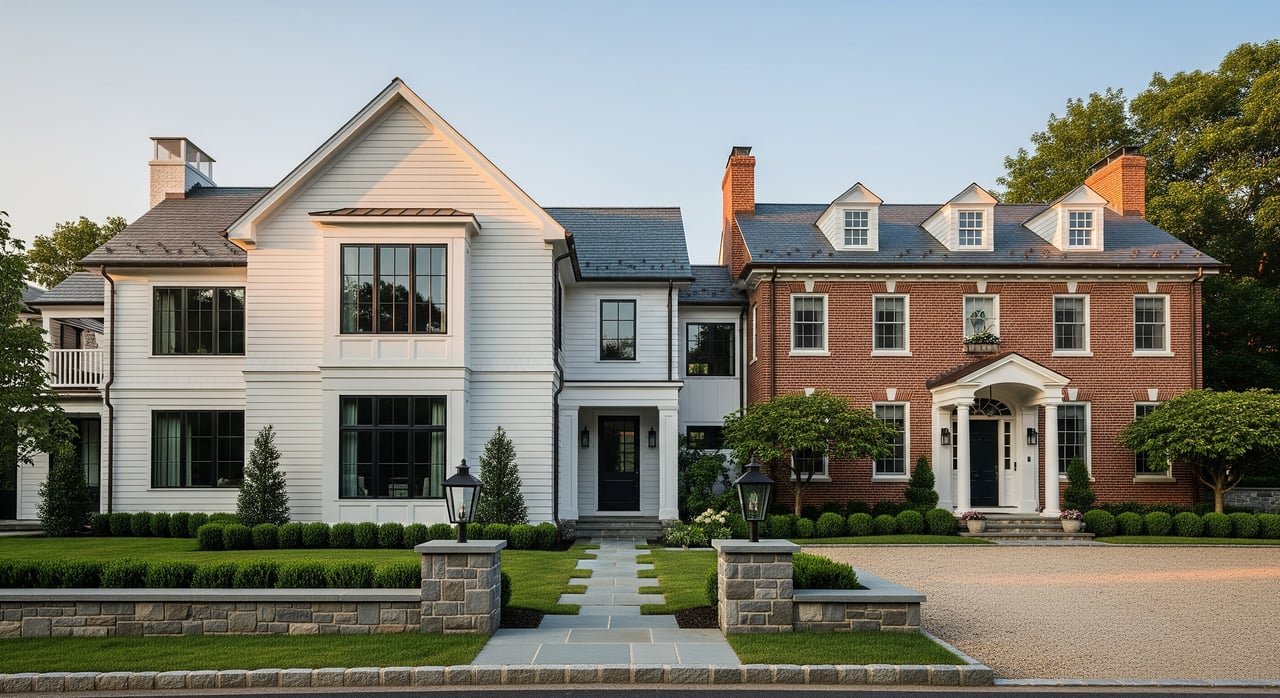
Building new or buying an existing home in Yorktown Heights can feel like two very different paths. You might be drawn to modern systems and open layouts, or you may want a move-in ready home in an established neighborhood close to your commute. Either way, you want clarity on timing, costs, and local red flags so you can make a confident choice. In this guide, you’ll compare new construction and resale homes through a Yorktown Heights lens and leave with clear next steps. Let’s dive in.
Who each option fits
New construction fits if you
- Want modern systems built to current New York State building and energy codes.
- Prefer choosing layouts and finishes or customizing a plan.
- Can handle a longer timeline and construction variability before move-in.
- Plan to prioritize energy efficiency, potential heat pumps, or solar readiness.
Resale fits if you
- Need a defined closing window and faster occupancy.
- Value established neighborhoods, mature landscaping, and more lot options.
- Are open to renovations over time to update efficiency and finishes.
- Want potential negotiation on price or concessions depending on the market cycle.
New construction in Yorktown Heights: what to expect
New builds here typically take shape as spec homes, semi-custom builds with upgrade packages, full custom builds with an architect, or tear-downs on existing lots. In an established Westchester community, teardown and rebuild activity is common where lots allow it.
Advantages
- Modern systems and materials that meet current codes can reduce near-term maintenance and energy use.
- Builder warranties for workmanship and mechanicals offer peace of mind.
- Contemporary layouts and finishes are standard, with the chance to select details on semi-custom or custom projects.
- You can plan for energy-efficient technologies and explore available incentives.
Disadvantages
- Sticker price per square foot often runs higher because of material and labor premiums.
- The timeline from contract to occupancy can run many months due to permitting, site work, and inspections.
- Construction introduces risks like delays, change orders, and cost overruns.
- Landscaping starts new; curb appeal and tree canopy take time to mature.
- New subdivisions may include HOA rules or fees.
Timeline at a glance
- Site evaluation and surveys, soil and septic testing where applicable.
- Permits and approvals through the Town of Yorktown, and health department review for septic/well when needed.
- Site work and foundation, framing, mechanical rough-ins, and staged inspections.
- Interior finish, final inspections, and Certificate of Occupancy.
Small spec builds might wrap in several months. Custom builds commonly run 9 to 18 months or more, depending on scope and approvals.
Permits, utilities, and site realities
Local zoning, setbacks, wetlands, steep slopes, and floodplain overlays shape what you can build and where. Start early with town and county resources.
Many properties use private wells and septic systems, though some areas have municipal water and sewer. Confirm service availability and capacity before you assume hookups.
Heating fuel varies by parcel. Ask about natural gas, oil, or electric options and plan mechanical systems accordingly.
Financing and builder relationships
Construction or construction-to-permanent loans work differently than standard mortgages. Expect draws, inspections, and lender-approved builders.
Some builders may offer incentives or closing cost assistance. Review terms carefully and weigh them against your loan options.
Inspections and warranties
Hire your own independent inspector for key milestones like pre-foundation, pre-drywall, and final. On custom builds, a structural engineer or specialty MEP inspector can be useful for major components.
Review warranty coverage, claim procedures, and timelines. Confirm any holdbacks or escrow for incomplete items.
Energy efficiency and incentives
- New York State and federal programs may support heat pumps, solar, and other upgrades. Check available incentives and local utility rebates as you design systems.
Resale homes in Yorktown Heights: what to expect
Resale homes give you context: neighborhood character, mature landscaping, and a clearer timeline to closing. In this area, buyers often weigh commute routes like Route 202, the Taconic State Parkway, and I‑684, as well as proximity to services in White Plains and beyond.
Advantages
- Immediate occupancy with a typical closing window once financing is set.
- Established neighborhoods and tree cover you cannot get on day one with new builds.
- Potential room to negotiate price or concessions depending on current supply and demand.
Disadvantages
- Deferred maintenance can surface: roofs, foundations, HVAC, wiring, or older oil tanks.
- Older homes may be less energy efficient; upgrades carry costs and timelines.
- Renovation surprises can expand scope and budget.
- Older materials may include lead paint or asbestos requiring specialized handling.
Inspection and due diligence essentials
- Order a full home inspection, including roof, foundation, HVAC, electrical, and plumbing.
- If the property has a septic system, review pumping records and schedule a septic inspection; test well water if the home is on a private well.
- Ask about any existing or past oil tanks and environmental assessments for older properties.
- Check property tax history, including school, town, county, and special district charges.
- Confirm flood zone status and any insurance requirements.
- For homes built before 1978, review lead paint disclosures and consider specialized testing.
Common upgrades after closing
- Kitchens and baths for function and appeal.
- HVAC improvements, including converting oil heat to natural gas or heat pumps when feasible.
- Windows, insulation, and air sealing for better efficiency.
- Basement finishing or accessory structures with proper permits and code compliance.
Side-by-side comparison checklist
Time to move in
- New: Several months to 9–18+ months depending on approvals and build scope.
- Resale: Typically 30–60 days after contract, depending on contingencies.
Upfront costs
- New: Higher sticker price per square foot; potential site work costs and allowance overages.
- Resale: Lower initial price in some cases; plan for inspection items and early upgrades.
Ongoing costs and energy
- New: Modern envelope and systems can reduce near-term maintenance and energy spend.
- Resale: Plan for system upgrades and efficiency improvements over time.
Financing complexity
- New: Construction or construction-to-permanent loans with draws and staged inspections.
- Resale: Standard mortgage process in most cases.
Customization
- New: Choose layouts and finishes on semi-custom or custom builds.
- Resale: Renovations and additions require permits; scope depends on zoning and site constraints.
Resale risk
- New: Premium depends on location, lot, and neighborhood fit; not guaranteed.
- Resale: Price influenced by condition, comps, and neighborhood character.
Landscaping and curb appeal
- New: Landscaping matures over time.
- Resale: Mature trees and established yards on day one.
Yorktown Heights red flags to check early
- Verify septic capacity, pumping records, and well yield/quality where applicable.
- Confirm whether the lot has municipal water/sewer or private systems, and any hookup or capacity limits.
- Review Town of Yorktown zoning, setbacks, and coverage limits before planning additions or new builds.
- Check wetlands, steep slopes, and regulated stream corridors that can limit the buildable envelope.
- Confirm school district boundaries directly with the district when school assignment matters to you.
- Look up flood zone status to anticipate insurance needs.
- Review property tax history, school tax exposure, and any special district charges.
- Assess access to major corridors like Route 202, the Taconic, and I‑684 for your commute.
- Ask about heating fuel type and options for upgrades or conversion.
How taxes and assessments factor in
Westchester County property taxes are often higher than national averages and include school, town, county, and special district charges. When you build new or complete a major renovation, your assessed value can change, which may affect your property tax bill. If you are buying resale, review the tax history, current assessments, and eligibility for available relief programs so you understand long-term affordability.
Smart next steps for your situation
If you are leaning toward new construction
- Start with lot due diligence: survey, soil tests, septic feasibility, and any wetlands or slope constraints.
- Speak with the Town of Yorktown building and planning departments about permits and typical timelines.
- Review a detailed build contract covering scope, allowances, change orders, payment schedule, milestones, dispute resolution, and warranties.
- Arrange independent inspections at key build stages and confirm site access for your inspector.
- Talk to a lender experienced with construction-to-permanent loans so your financing matches your build timeline.
- Explore energy incentives early if you plan heat pumps, solar, or electrification.
If you are leaning toward resale
- Order a full home inspection and any specialty inspections needed for septic, well, chimney, oil tank, and radon where relevant.
- Request the municipal certificate of occupancy and permit history for past additions or renovations.
- Price out renovation priorities with local contractors and schedule work realistically.
- Verify water/sewer or well/septic status, flood zone, and school district boundaries.
- Review property tax history and any special assessments to map your carrying costs.
If you are a seller weighing teardown vs sell-as-is
- Get a teardown analysis: demolition, site prep, approvals, and likely build costs.
- Compare net proceeds from selling your current home as-is versus building new and selling.
- Talk through local demand for new homes on your street and whether the market supports a rebuild.
- Weigh carrying costs and timeline risk if you plan to build before selling.
Ready for tailored advice?
Every parcel in Yorktown Heights is different. Utilities, wetlands, setbacks, and school boundaries can vary from street to street, and commute convenience often drives buyer decisions here. If you want a clear, step-by-step plan for your timeline and budget, connect with a local team that understands how these factors play out in Westchester. Reach out to The Price Team for a friendly, no-pressure conversation about your goals.
FAQs
How long does new construction take in Yorktown Heights?
- Small spec builds can be several months, while custom homes often run 9 to 18 months or more depending on permits, site work, and inspections.
Is new construction worth the premium locally?
- It can be if you value modern systems and customization, but location, lot quality, and neighborhood fit often impact resale more than newness alone.
What permits are required to rebuild or build new in Yorktown?
- Expect town building and planning approvals, staged inspections, and health department review for septic and well where applicable, plus conservation review for wetlands.
Will my mortgage be different if I build?
- Yes, construction and construction-to-permanent loans use draws, inspections, and lender-approved builders, unlike most standard resale mortgages.
How do property taxes change between new and older homes?
- New builds and major renovations can change assessed value, which may affect your tax bill; review assessments, school taxes, and exemptions before you commit.
What hidden issues should I watch for in older Yorktown homes?
- Investigate roof, foundation, HVAC, electrical, plumbing, oil tanks, and potential lead paint or asbestos, and plan for efficiency upgrades.
Should I sell my current home before building new?
- It depends on your carrying costs and risk tolerance; building timelines vary, so align financing and move plans before you list or break ground.
Do builder warranties cover major problems?
- Warranties typically cover workmanship and mechanicals for specific periods, with separate structural coverage in some cases; confirm terms and claim procedures.
Are there incentives for energy-efficient systems or electrification?
- State, federal, and utility programs may offer rebates or credits for heat pumps, solar, and efficiency upgrades; confirm current options as you plan.