Thinking about a Lake Carmel home with a private well and septic system? If you’re used to public water and sewer, this can feel like a big unknown. With the right steps, you can protect your health, your budget, and your closing timeline. This guide breaks down how these systems work, what to inspect and test before you buy, and where to find local approvals and records. Let’s dive in.
Why wells and septics matter here
Lake Carmel has experienced harmful algal blooms in recent years. In the New York State DEC’s Lake Carmel Harmful Algal Bloom Action Plan, septic systems are identified as a key phosphorus source to the lake. Responsible use and maintenance help protect both your property and local water quality. You can read more in the Lake Carmel Harmful Algal Bloom Action Plan.
In Putnam County, most septic and many well-related records and approvals run through the Putnam County Department of Health. For additions or bedroom increases, you typically need county review of the onsite sewage treatment system before the town issues permits. See the county’s process overview in the Putnam County Department of Health procedures for house additions.
Septic basics you should know
How a septic system works
A typical system includes a septic tank where solids settle, a distribution box that routes flow, and a leach or drainfield where soil treats the effluent. Some systems add pumps, alarms, or aerobic treatment units that improve performance. For a clear primer, the U.S. EPA explains system parts and care in its homeowner septic overview.
Common system types near Lake Carmel
You’ll most often see conventional gravity systems that use trenches or chambers. Some older homes may still have cesspools, and smaller or challenging lots may use pressure-dosed, mound, or aerobic treatment units. Alternative systems usually require more frequent inspection and service than conventional systems. Ask the inspector which type is present and what the maintenance plan should be.
Private well essentials
What a well log tells you
The well completion report, often called a well log, is your best technical snapshot. It notes depth, casing, static water level, and yield from pump testing. New York standards require registered drillers and documentation, so request the log and any pump-test records during due diligence. For background on well documentation and state registration, see this New York well drilling guidance.
Yield, storage, and pressure
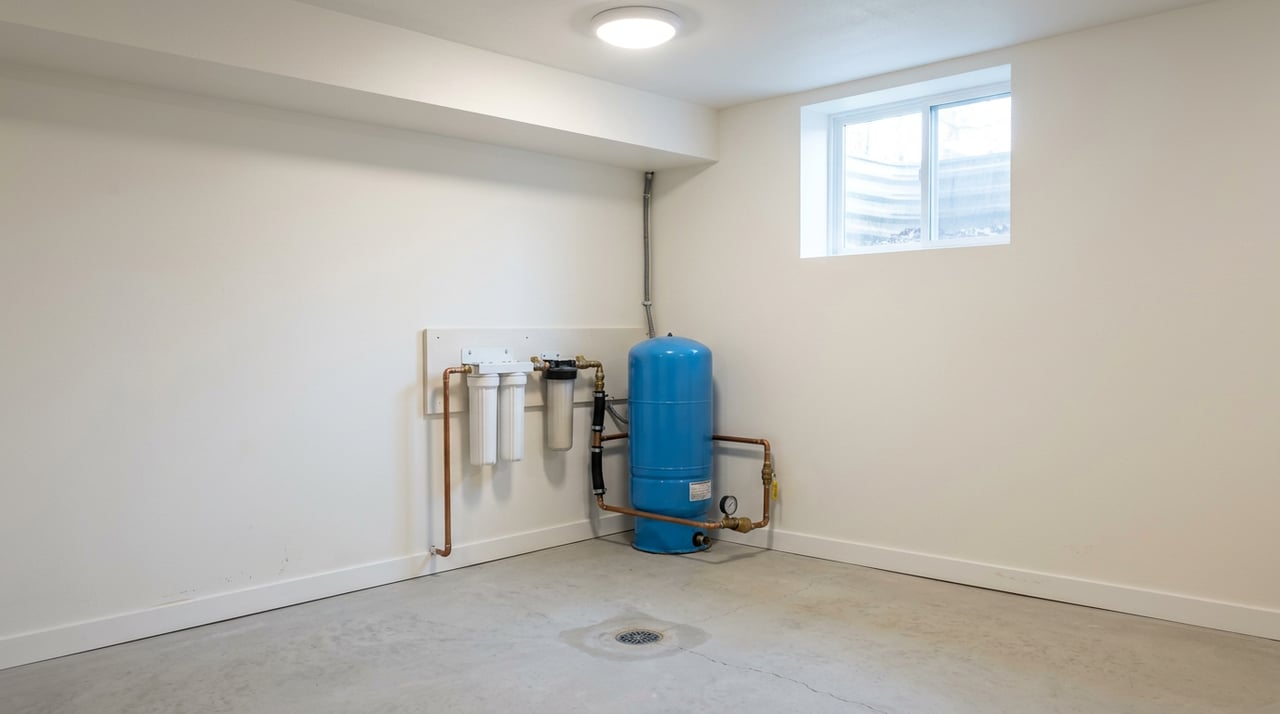
A well’s performance is about sustained yield, measured in gallons per minute, and the system’s ability to meet peak household demand. If yield is modest, storage tanks or pressure systems may be recommended to smooth out supply. NYSDOH explains typical storage solutions and why they’re used in its fact sheet on water storage.
Buyer due diligence checklist
Documents to request first
- Septic records: original permit and as-built plan, repair permits, recent pump-out receipts, any inspection reports, tank size, and the system’s approved bedroom capacity. The county can confirm whether the system is sized for expansion. Start with the Putnam County Department of Health process guide.
- Well records: the well completion report, pump-test results, any pump or pressure-tank replacements, and service receipts. The well log is the key document; ask for it early. See the New York well drilling guidance for context on what’s included.
- Environmental history: if the home is near a documented release, plan for expanded water testing. For example, the DEC documents work at the LaRussell Cleaners site in the Lake Carmel area; see the site progress report. Your inspector and the county can advise on appropriate test panels.
What a septic inspection includes
A professional pre-sale inspection typically involves locating and opening lids, measuring scum and sludge, checking inlet and outlet baffles, and inspecting any effluent filter. Inspectors also evaluate the distribution box, pump chambers and alarms when present, and probe the drainfield for wetness, odors, or unusual vegetation. A pump-out before inspection often helps the inspector see the tank interior. These steps follow EPA’s standard guidance.
Red flags to note: backups in the home, soggy areas over the field, sewage odors, overly lush grass above trenches, missing baffles, or a lack of recent pumping or inspection records. If any of these appear, you may need permits and time to address repairs. Build that possibility into your contract timeline.
Well testing to order
At minimum, plan to test for total coliform and E. coli bacteria and for nitrate as nitrogen. New York health guidance also recommends expanded panels where plumbing age, local geology, or health concerns suggest them, which can include lead, arsenic, iron, manganese, pH, and total dissolved solids. If the property is close to former industrial or fuel sites, add VOCs and petroleum-related analytes. See NYSDOH’s private well water quality guidance.
Practical timing notes: bacteria results often come back within a few days after the lab receives the sample, while chemical panels can take longer. Use a New York certified drinking water lab and follow the lab’s chain-of-custody instructions. If bacteria are detected, shock chlorination followed by a re-test is a common next step per health guidance.
Who to hire and when
- Septic pumper for a pump-out and pumper’s report.
- Licensed septic inspector or county-approved evaluator for the pre-sale inspection.
- Registered well driller or pump service for performance testing and repairs.
- NYSDOH-certified drinking water laboratory for bacteria and chemical testing.
Allow 7 to 14 business days to schedule inspections and collect samples, and confirm providers can supply any county-required forms. Refer to county materials on PCDOH submittal requirements so your reports meet local standards.
Maintenance and budgeting
Routine care that protects your system
Plan to inspect a conventional septic system about every three years and pump the tank every three to five years. Alternative systems, including many aerobic units, usually need annual service. These are EPA-recommended cadences and are a good baseline for most households. Following them also helps limit nutrient loading that can affect the lake.
Typical costs to expect
Budget for a pump-out, a professional septic inspection, and a basic lab panel during due diligence. National and regional estimates place a septic pump-out in the roughly 300 to 700 dollar range, with inspections typically a few hundred dollars, while full drainfield replacements can run into the tens of thousands depending on soils and access. Basic bacteria and nitrate panels are commonly tens to low hundreds of dollars, with expanded chemical testing higher. Get local quotes early and plan a contingency for older systems.
Grants and assistance
New York has periodically funded septic repair and replacement grants in priority watersheds through the Septic System Replacement Fund. Counties administer reimbursements and set eligibility, often up to a defined cap. Ask the Putnam County Department of Health about current participation and application steps, and review an overview of state funding options in this water and wastewater funding summary.
Local contacts
- Putnam County Department of Health, Environmental Health Services, 1 Geneva Road, Brewster, NY. Phone: 845-808-1390. Start here for septic and well record searches, approvals, and questions on bedroom counts and additions.
- NYSDEC Division of Water, Lake Carmel HAB Plan comments: [email protected].
If you’re weighing two similar homes, the difference in well yield, septic type, and record completeness can be the tiebreaker. Getting answers early keeps your escrow on track and helps you buy with confidence. If you want a second set of eyes on your plan or need local referrals, we’re here to help.
Ready to navigate wells and septics with less stress? Reach out to The Price Team for local guidance and a step-by-step purchase plan.
FAQs
What should a first-time Lake Carmel buyer know about septic systems?
- Expect a tank, a distribution component, and a drainfield. Plan inspections about every three years and pump every three to five years, and ask for permits and pump-out records.
Which well water tests do I need before closing?
- At minimum, test for total coliform and E. coli bacteria and for nitrate as nitrogen. Add metals or VOCs if plumbing age, geology, or nearby land uses suggest expanded testing.
How do I find my property’s septic and well records in Putnam County?
- Contact the Putnam County Department of Health, Environmental Health Services, for file searches and approvals. Ask for the septic as-built and the well completion report.
What happens if my well test shows bacteria?
- Work with your inspector and a certified lab. Shock chlorination followed by a re-test is a common next step, but persistent positives may require source or structural fixes.
Can I add a bedroom to a home with a septic system?
- Possibly, but county review comes first. PCDOH evaluates whether the existing system is sized for more bedrooms or needs upgrades before the town issues building permits.