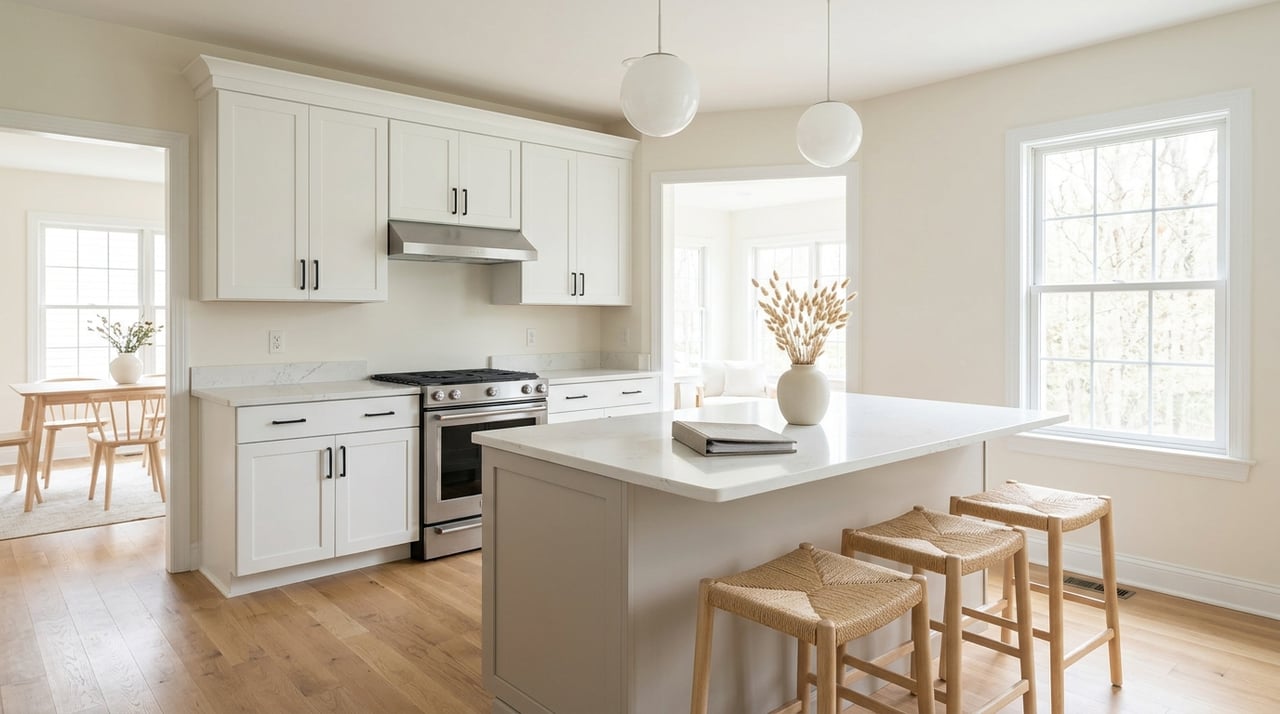
If you wait until the week before listing to get your Katonah home ready, you may already be behind. In a market where homes in Westchester and Katonah can go pending in just a few weeks, buyers often see your home online and in person before you have time to fix last-minute issues. The good news is that you do not need to do everything at once. With an 8 to 12 week plan, you can prep your home calmly, make smart decisions, and launch with confidence. Let’s dive in.
Why timing matters in Katonah
Katonah is not a one-size-fits-all market. It is part of the Town of Bedford and includes a historic village setting that can affect how and when certain exterior updates get done.
That matters because some sellers need more than cleaning and decluttering. If your home has older features, prior renovations, or sits in the Katonah Historic District, permit records and local review rules can become part of your prep timeline.
It also helps to know that the market can move quickly once your home is live. Recent market trackers show homes in this area often go pending or sell within about 21 to 30 days, with Katonah around 25 days on market, depending on the source and reporting method.
That is why your visible prep, paperwork, and marketing should be done before you list, not while showings are already underway.
Aim for an 8 to 12 week runway
For most Katonah sellers, the smartest plan is to start about two to three months before your target list date. That gives you time to make repairs, gather records, handle disclosures, prepare for photos, and deal with any permit or historic review questions.
A longer runway also helps you avoid rushed decisions. You can focus on the improvements buyers will notice most, instead of reacting under pressure once your home is on the market.
8 to 12 weeks before listing
Start with a full home review
This is the planning stage. Walk through the home room by room and make a realistic list of what needs attention, what can wait, and what could raise questions from buyers.
This is also the right time to talk through pricing strategy, presentation goals, and listing timing with your agent. A clear plan now can save you time and money later.
Check permits and past work
In Bedford, homeowners are told to contact the Building Inspector before doing work inside or outside the home. The town lists permits for many items that often come up during pre-sale prep, including roofs, replacement windows, finished basements, plumbing, electrical work, fences, sheds, generators, pools, oil tanks, and tree removal.
If you added something years ago and are not sure the paperwork was completed, check now. Bedford says unpermitted work can be legalized for a fee, which makes it worth reviewing permit history well before listing.
Confirm whether historic review applies
Katonah’s historic setting is part of what makes it special, but it can affect your prep plan. If your home is in the Katonah Historic District, exterior improvements are reviewed by the Katonah Historic District Advisory Commission.
Other work may also involve Planning, Building, wetlands, zoning, or variance review. If you are thinking about replacing windows, changing exterior materials, or making visible exterior updates, check local requirements before work begins.
Decide on a pre-sale inspection
A pre-sale inspection is not required, but it can help you spot issues before buyers do. It can be especially useful if your home is older, has a basement moisture history, or has systems that may prompt questions during the buyer’s inspection.
Knowing about concerns early gives you options. You can repair them, price with them in mind, or prepare documentation that helps answer questions clearly.
Gather records early
Do not wait until you accept an offer to search for paperwork. Start pulling together warranties, manuals, repair invoices, maintenance records, permit paperwork, and certificates related to the property.
This is also the time to review what you will need for disclosure forms. For many sellers, the hardest part is not the form itself. It is remembering where all the supporting records are.
6 to 8 weeks before listing
Focus on repairs buyers will notice
Once the planning work is done, shift to visible fixes. Think sticky doors, dripping faucets, burnt-out bulbs, scuffed paint, loose hardware, and anything that makes the home feel less cared for.
You do not need to remodel every room. In most cases, the best return comes from making the home feel clean, bright, and move-in ready.
Improve curb appeal
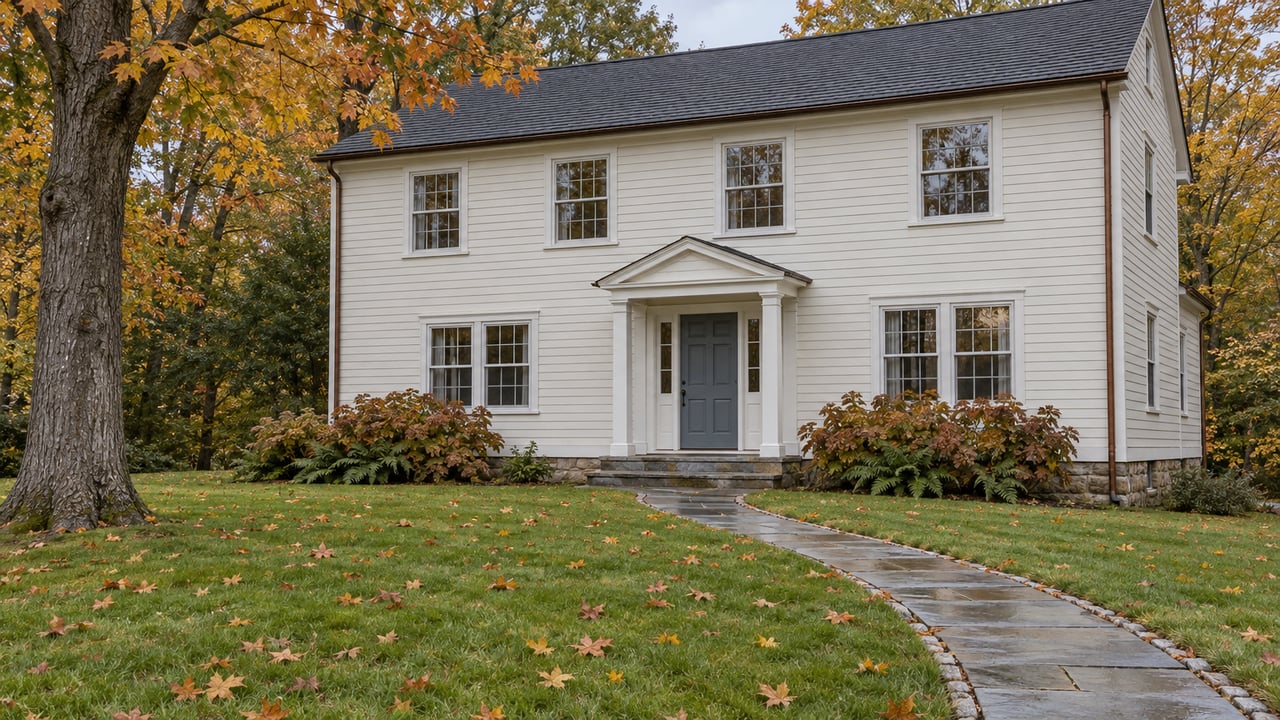
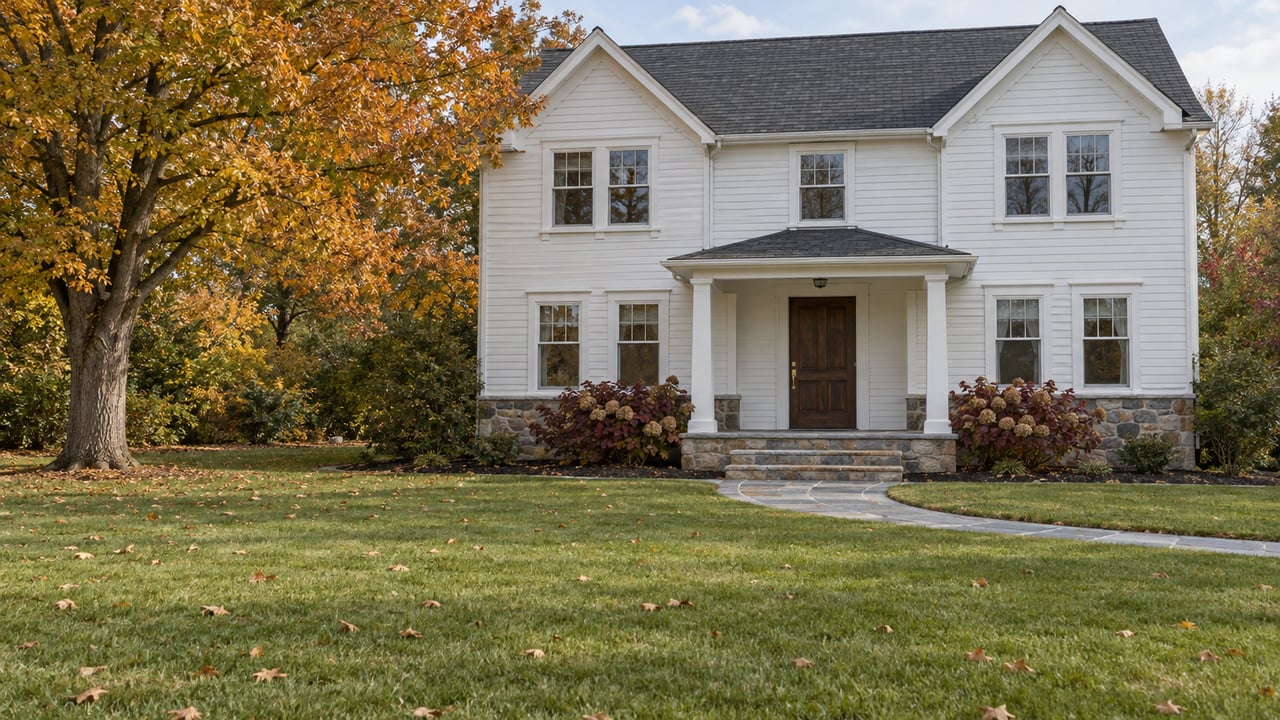
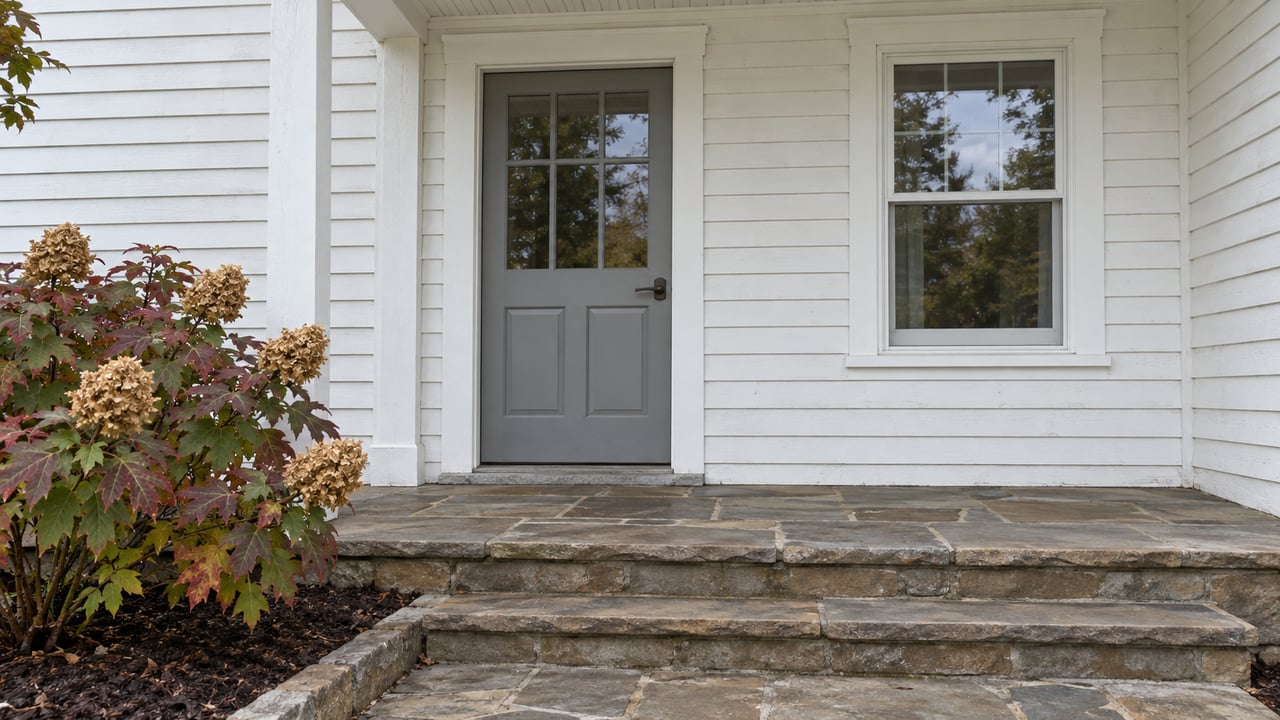
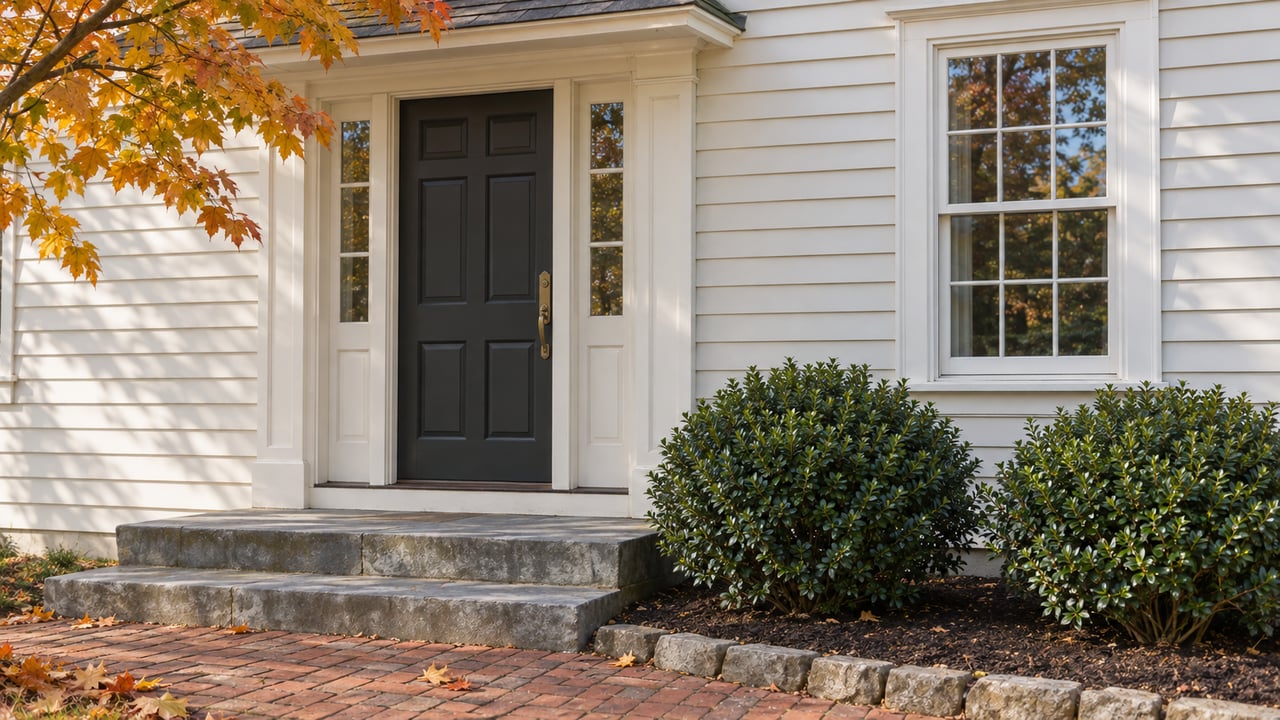
First impressions start before buyers walk through the door. Tidy the yard, refresh the entry, trim overgrowth, and make sure the exterior feels maintained.
In Katonah, where many homes have mature landscaping and strong architectural character, a neat front exterior can make a big difference in listing photos and buyer expectations.
Plan staging early
If you are considering staging, this is the time to budget and book it. According to the National Association of Realtors 2025 staging report, the median spend for a staging service was $1,500.
That same report found that some sellers’ agents saw a 1 percent to 5 percent increase in dollar value offered, and 30 percent reported a slight decrease in time on market. Staging does not have to mean furnishing the entire house. Selective staging can still help.
3 to 4 weeks before listing
Declutter and depersonalize
Now it is time to edit the home. Remove extra furniture, clear out storage-heavy corners, pack away out-of-season items, and simplify shelves, counters, and closets.
The goal is not to strip away all personality. It is to create enough visual space for buyers to focus on the home itself.
Deep clean everything
This is the stage for the kind of cleaning that shows up in photos and in person. Clean windows, floors, baseboards, kitchens, bathrooms, light fixtures, and overlooked spots like laundry areas and mudrooms.
A spotless home signals care. It also helps natural light work in your favor.
Prioritize key rooms for staging
If you are staging selectively, focus on the spaces buyers tend to care about most. The 2025 staging report says the most important rooms to stage are the living room, primary bedroom, and kitchen.
That is good news if you are trying to be budget-conscious. You do not need to perfect every room to make a strong impression.
Schedule photos after prep is done
Photography should come after the house is clean, styled, and ready. If photos happen too early, you may end up showcasing clutter, unfinished repairs, or rooms that feel smaller than they are.
That same staging report found that 83 percent of buyers’ agents felt staging made it easier for buyers to visualize a property as a future home. It also found that photos were important to 73 percent, followed by traditional staging, videos, and virtual tours.
1 to 2 weeks before listing
Complete disclosure materials
In New York, the current Property Condition Disclosure Statement must be delivered to the buyer or the buyer’s agent before the buyer signs a binding contract of sale. The old $500 opt-out credit has been removed, so sellers should be ready to complete the form based on actual knowledge.
The form covers issues such as floodplain location, flood insurance requirements, fuel-storage tanks, asbestos, lead plumbing, radon tests, basement seepage, and other material defects. For older Katonah homes, this is one more reason to start gathering information early.
Prepare lead disclosure if needed
If your home was built before 1978, federal law requires lead-based paint disclosure before contract signing. That includes a lead warning statement, any known records or reports, a lead hazard pamphlet, and a 10-day opportunity for the buyer to conduct a lead inspection or risk assessment unless that right is waived.
Having this ready ahead of time helps keep the contract process smooth.
Create a showing plan
Before your home goes live, decide how you will handle day-to-day showing logistics. Think about pets, valuables, medications, cleaning routines, and how quickly you can leave the house if a showing is scheduled.
A simple plan reduces stress once traffic starts.
Listing week and active showings
Keep the home easy to show
Once the listing is live, consistency matters more than perfection. Try to keep counters clear, lights on or bright, beds made, and outdoor areas tidy.
If possible, leave the home during showings. Buyers tend to feel more comfortable when they can move through the space without feeling watched.
Protect valuables and manage pets
Lock up valuables and medications before each showing. If you have pets, make a plan to confine them safely or take them with you.
A smooth showing experience helps buyers focus on the property, not the logistics.
Under contract through closing
Stay ready to update records
Your prep work still matters after you accept an offer. New York’s disclosure rules say that if you later learn something that makes your statement materially inaccurate before title transfer or occupancy, it should be corrected as soon as practicable.
Keep records handy so you can answer inspection questions with documents instead of memory.
Keep lead paperwork on file
If lead-based paint disclosure applied to the sale, signed copies of that packet must be retained for three years after the sale. Staying organized now can make the final steps much easier.
What matters most to buyers
You do not need a full renovation to compete in Katonah. In many cases, buyers respond best to homes that feel bright, clean, maintained, and easy to imagine living in.
That means your highest-return efforts are often the basics done well: curb appeal, minor repairs, decluttering, clean surfaces, well-chosen staging, and strong listing photos. If you start early, you have time to focus on the improvements that support a better first impression.
Selling in Katonah often means balancing charm, condition, paperwork, and timing. With the right plan, you can avoid the last-minute scramble and bring your home to market in a way that feels polished and well prepared. If you are getting ready to sell and want a clear, step-by-step strategy, connect with The Price Team for thoughtful guidance tailored to your timeline.
FAQs
How early should you start preparing a home for sale in Katonah?
- A good target is 8 to 12 weeks before listing so you have enough time for repairs, records, disclosures, staging, photos, and any local permit or historic review questions.
Do you need a pre-listing inspection for a Katonah home sale?
- No, a pre-sale inspection is not required, but it can help you uncover issues early and decide whether to repair them before buyers begin touring the home.
What paperwork should Katonah sellers gather first?
- Start with permit records, certificates, warranties, manuals, maintenance records, the New York Property Condition Disclosure Statement information, and lead disclosure materials if the home was built before 1978.
What should you know about historic homes in Katonah before listing?
- If your home is in the Katonah Historic District, exterior improvements may need review by the Katonah Historic District Advisory Commission, so it is important to check local requirements before starting visible exterior work.
What should you do before showings begin for a Katonah listing?
- Remove clutter, deep clean, tidy the yard, lock up valuables and medications, make a plan for pets, and leave the home during showings when possible.