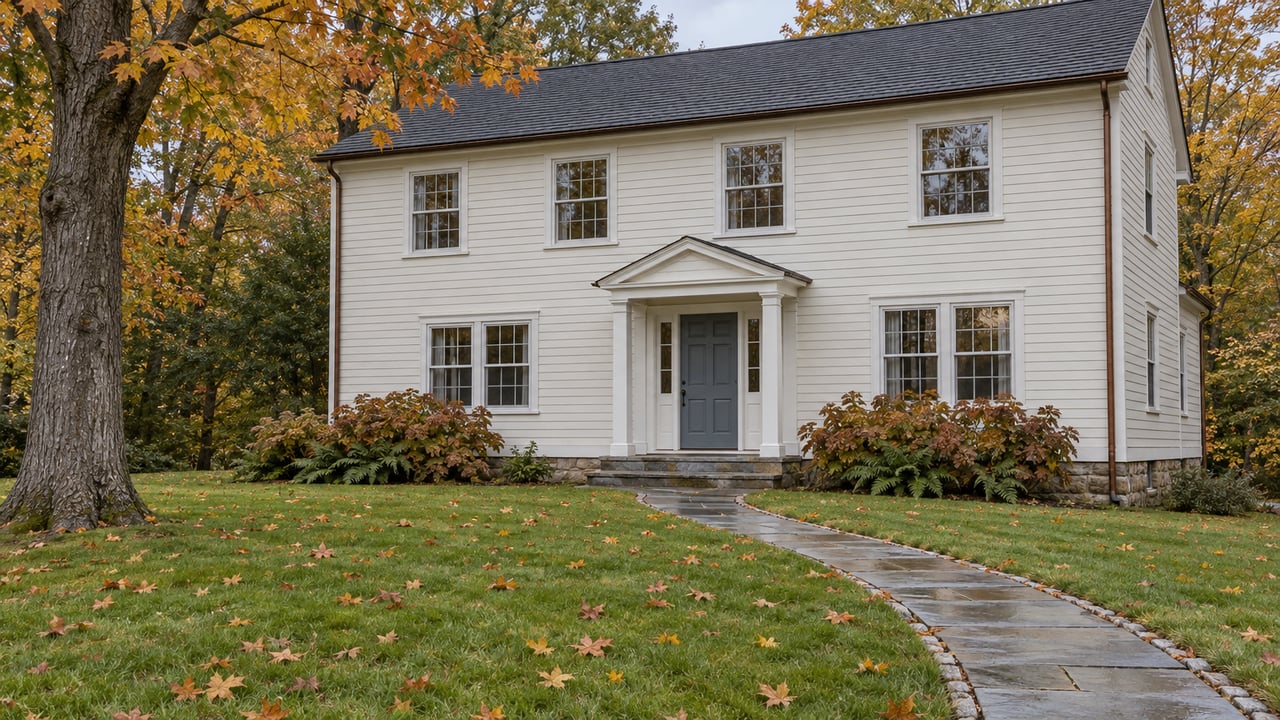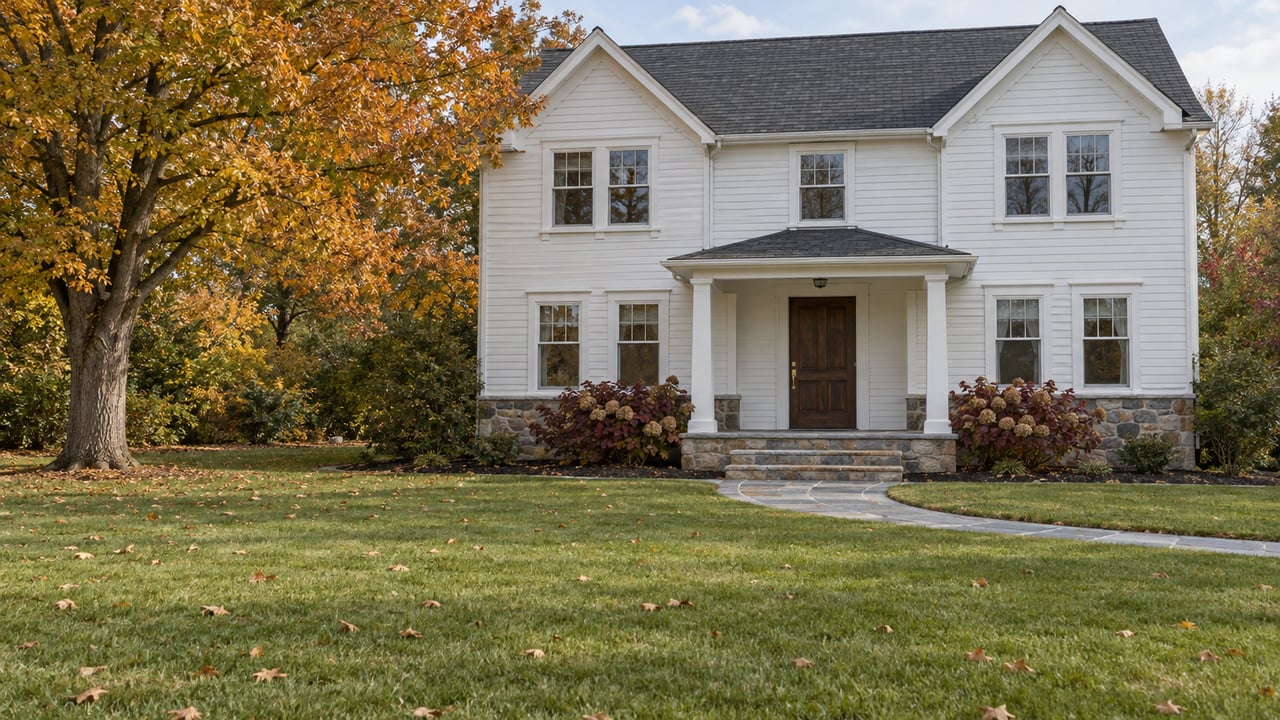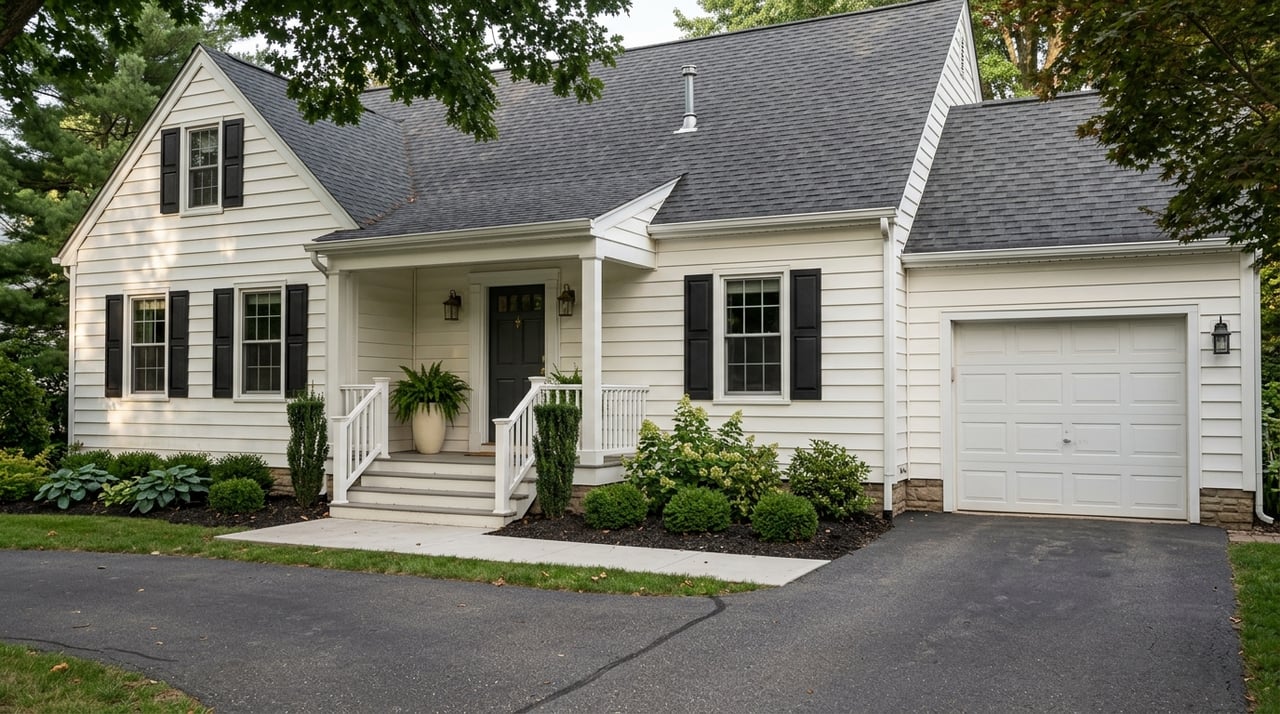
Buying a home in Hopewell Junction can feel exciting and overwhelming at the same time. You may be thinking about budget, commute, taxes, inspections, and whether a home that looks perfect online will still make sense once you verify the details. The good news is that a clear plan can make the process much easier to manage. This step-by-step roadmap will show you what to expect, what to verify, and how to move forward with more confidence. Let’s dive in.
Why Hopewell Junction Requires Extra Homework
Hopewell Junction is a hamlet within the Town of East Fishkill, which identifies it as one of the town’s six recognized hamlets. That matters because a Hopewell Junction mailing address does not automatically tell you everything you need to know about a property.
Before you fall in love with a home, it helps to confirm the details tied to the specific address. In this area, key factors often include school district, taxes, water or sewer setup, private well considerations, and commute access.
East Fishkill notes that the town is served by four public school districts, so district assignment should be verified by address rather than assumed from the hamlet name alone. If you are unsure, Dutchess County directs residents to use its school district resources and address tools for confirmation.
Commute planning also plays a big role for many buyers. Dutchess County lists park-and-ride lots in Hopewell Junction, including locations near I-84/Lime Kiln Road and Taconic Parkway/Route 52, which can be useful as you compare homes.
Step 1: Set Your Budget First
Your home search should start with your real budget, not just the maximum number a lender may discuss early on. A smart budget includes the monthly payment, but it should also leave room for closing costs, moving expenses, repairs, and updates after you move in.
The Consumer Financial Protection Bureau recommends preparing for more than the mortgage itself. That means setting aside funds for the full cost of ownership, not just the list price or monthly principal and interest.
A local budget in Hopewell Junction should also account for parcel-specific costs. East Fishkill explains that buyers may face county, town, school, water/sewer, and special district taxes, so two homes at similar price points may carry different ongoing expenses depending on the address.
Look Beyond the List Price
Here are a few costs buyers often need to plan for:
- Down payment
- Closing costs
- Moving costs
- Immediate repairs or home improvements
- Property taxes and special district charges
- Utility setup or transfer costs
- Homeowner’s insurance
- Possible title-related costs
If you are financing in Dutchess County, one expense to know early is the mortgage recording tax. For one- or two-family residences, the county states the tax is 0.75% for mortgages of $9,950 or less and 1.05% less $30 for mortgages of $10,000 or more.
Step 2: Get Preapproved When You’re Ready to Shop
A preapproval helps you understand what a lender may be willing to lend, and sellers often want to see that letter with an offer. But it is important to treat preapproval as a starting point, not a guarantee.
According to the CFPB, a preapproval is a tentative lender statement, and preapproval letters often expire in 30 to 60 days. That is why timing matters. You want to get preapproved when you are ready to seriously begin touring homes.
Just as important, the CFPB notes that a preapproval letter alone does not tell you which lender offers the best deal. Once you move further into the process, comparing official Loan Estimates can give you a clearer view of your options.
First-Time Buyer Financing Options
If you are buying your first home or planning a lower down payment, it is worth reviewing SONYMA homebuyer programs early. New York State Homes and Community Renewal says SONYMA’s primary programs are 30-year fixed-rate mortgages, may require as little as 3% down, can include optional down payment assistance, and require homebuyer education. Income limits vary by county.
Step 3: Tour Homes With Local Priorities in Mind
Once you begin seeing homes, it is easy to focus on layout, finishes, and backyard space. Those things matter, but in Hopewell Junction, practical details can shape your decision just as much.
A home that checks every visual box may still require deeper review if the taxes are higher than expected, the utility setup is different from what you assumed, or the commute is less convenient than it looked on a map. That is why address-level verification matters before you get too emotionally attached.
What To Check for Each Property
As you tour homes, make sure you verify:
- School district serving that address
- Property tax picture, including possible special district charges
- Whether the home is on town water, sewer, septic, or private well
- Commute routes and access to major roads or park-and-ride lots
- Any closing-related local logistics tied to utilities
East Fishkill’s tax office notes that local bills can include county, town, school, water/sewer, and special district taxes. The town also explains that there are multiple water and sewer districts, which is one reason utility costs and service setup can vary by parcel.
Step 4: Make an Offer With Smart Protections
When you find the right home, speed matters, but so does structure. A strong offer should be competitive without skipping the protections that help you manage risk.
The CFPB notes that sellers often request a preapproval letter before accepting an offer. It also explains that buyers may be able to cancel or renegotiate if the contract is contingent on a satisfactory inspection.
In practical terms, that means your offer should not assume every issue will work itself out after acceptance. Financing, inspection, and appraisal all deserve attention up front.
Common Contingencies To Discuss
Depending on the situation, buyers often review contingencies related to:
- Financing
- Home inspection
- Appraisal
- Attorney review or title-related matters
New York buying customs can vary by county. The New York State Bar Association notes that residential real estate practices differ across upstate counties, including how contracts and title work are handled, so local guidance is especially valuable here.
Step 5: Schedule Inspection, Appraisal, and Legal Review
Once your offer is accepted, the transaction moves into one of the most important stages. This is where you confirm the home’s condition, satisfy lender requirements, and work through title and legal details.
The CFPB recommends scheduling the home inspection as soon as possible, using an independent inspector, and attending the inspection if you can. It also makes an important distinction: the inspection is for you, while the appraisal is generally for the lender.
If the inspection reveals concerns, or if the appraisal raises issues related to condition or value, the path to closing may become more complicated. That does not always mean the deal falls apart, but it can lead to negotiation, repairs, delays, or revised terms.
Why Attorney and Title Work Matter in New York
In New York, buyers should expect more than a simple sign-and-go closing. The CFPB explains that some states require an attorney at closing or for title transfer, and buyers may want their own legal representation to protect their interests.
For many Hopewell Junction buyers, that means your attorney is an important part of the process. Your attorney is there to represent you, review documents, and help you understand what you are agreeing to before you sign.
Step 6: Don’t Overlook Water, Sewer, and Well Details
This is one of the most location-specific parts of buying in Hopewell Junction. Utility setup can affect your due diligence, your timing, and your ownership costs.
For homes on town water, East Fishkill says it performs final meter reads for closings, and buyers should allow up to two weeks after the completed request form is received. That is the kind of detail that can affect your closing timeline if no one plans for it early.
For homes with private wells, water quality is another important part of due diligence. Dutchess County provides private well testing information and also notes that some towns have mandatory private well water testing during real estate transactions.
Questions To Ask About Utilities
Before moving forward, consider asking:
- Is the property served by town water, sewer, septic, or a private well?
- Are there water or sewer district charges tied to the parcel?
- Has private well water been tested recently, if applicable?
- Has the final meter read process been started if the home is on town water?
Step 7: Prepare for Closing Carefully
Closing is the final legal and financial step, but it should not feel like a last-minute scramble. The more organized you are at this stage, the smoother the finish tends to be.
The CFPB explains that the purchase closing and mortgage closing usually happen at the same time. Before then, you should also be ready to shop for homeowner’s insurance and title insurance, and some properties may require flood or other specialty coverage depending on the home.
You should also receive your Closing Disclosure at least three business days before signing. That review period is your chance to confirm your final loan terms, cash-to-close amount, and key numbers before the appointment.
How Long Does Buying a Home Take?
There is no single timeline that fits every Hopewell Junction purchase. Financing, inspection findings, appraisal results, title review, attorney involvement, utility coordination, and the seller’s timeline can all affect how quickly things move.
What matters most is knowing that the process has multiple moving parts. If you go in expecting a few important checkpoints instead of one straight line, you will be better prepared for the pace of a real transaction.
A Simple Hopewell Junction Buying Checklist
If you want a quick summary, here is your roadmap:
- Set a full budget, including closing and ownership costs.
- Get preapproved when you are ready to shop seriously.
- Tour homes while verifying address-specific details.
- Make an offer with appropriate contingencies.
- Complete inspection, appraisal, attorney, and title steps.
- Confirm utility, tax, and water-related details.
- Review your Closing Disclosure and prepare for signing.
Buying a home in Hopewell Junction is easier when you have a plan and a team that keeps the details from slipping through the cracks. If you want steady guidance from the first showing to the closing table, The Price Team is here to help you move forward with clarity and confidence.
FAQs
What should you verify for a home in Hopewell Junction before making an offer?
- You should verify the school district, property taxes, special district charges, water or sewer setup, private well details if applicable, and commute access by specific property address.
How does preapproval work when buying a home in Hopewell Junction?
- A preapproval is a tentative lender statement that helps you shop and strengthen an offer, but it is not a guaranteed loan and often expires in 30 to 60 days.
Do you need an attorney to buy a home in Hopewell Junction, NY?
- Attorney involvement is common in New York real estate transactions, and your attorney helps protect your interests during contract, title, and closing review.
What local closing costs matter when buying in Dutchess County?
- In addition to standard closing expenses, buyers in Dutchess County should plan for the county mortgage recording tax and review parcel-specific taxes and district-related costs.
What should first-time buyers know about financing in Hopewell Junction?
- First-time buyers should review SONYMA programs early because they may offer 30-year fixed-rate loans, low down payment options, optional assistance, and required homebuyer education.
Why can utility details affect a Hopewell Junction home purchase?
- Utility details matter because water, sewer, septic, and private well setups can vary by property, and town water closings may require final meter read coordination that can take up to two weeks after the request is received.