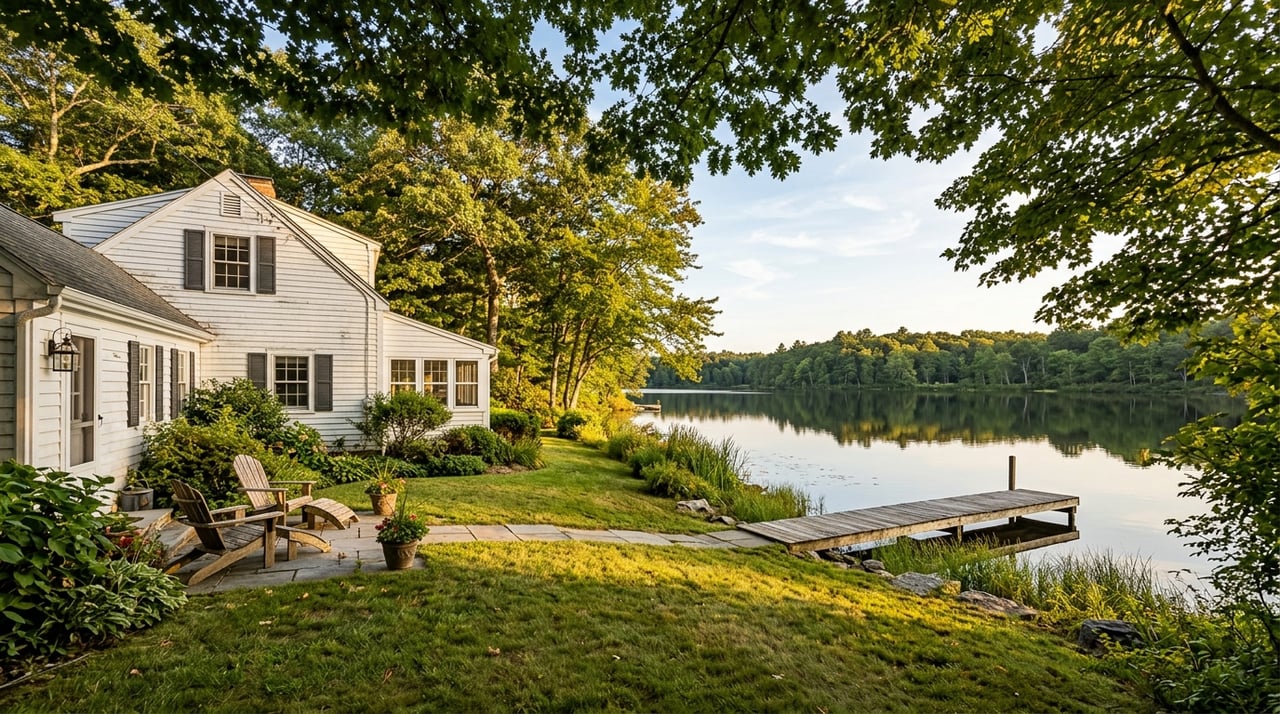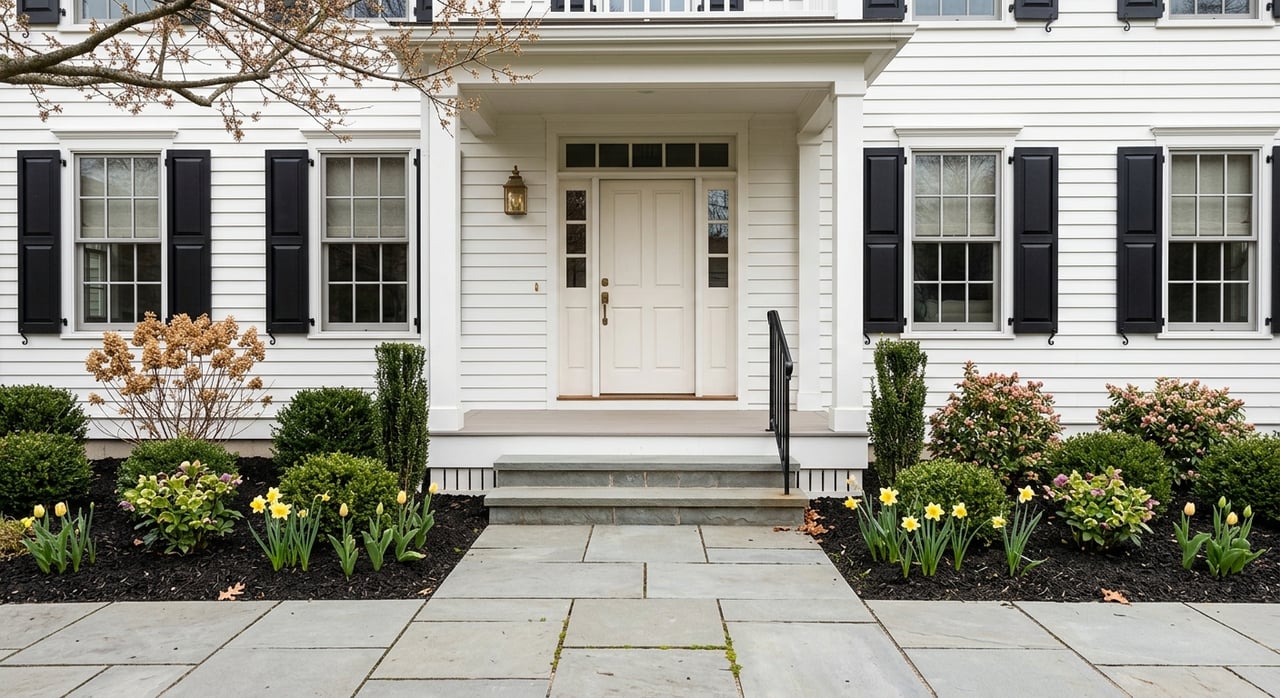
Dreaming of morning coffee with backyard views, room for a garden, or space for a future barn? Buying a home with land in Hopewell Junction can deliver all of that. It also comes with a few extra checks you should make before you fall in love. In this guide, you’ll learn how to confirm what your acreage can really do, what to inspect for wells and septic, what permits apply to outbuildings, and how to plan for access and upkeep. Let’s dive in.
Zoning basics: what acreage means
In Hopewell Junction, most land-use rules are set by the Town of East Fishkill. The town code outlines zoning districts, minimum lot sizes, and what accessory uses are allowed. Start by confirming the property’s zoning in the town code and on the county’s map viewer. You can review the Town of East Fishkill code on Ecode360 and use Dutchess County’s municipal zoning map to locate the parcel and any overlays.
- Check the parcel’s zoning district, minimum lot size, and any overlays like conservation or watershed zones. Use the county’s zoning map to verify what applies.
- Review the town’s definitions and standards for accessory uses in the Ecode360 code. This helps you plan sheds, barns, or workshops correctly.
Buildable vs. gross acreage
Not all acres are equal. Wetlands, steep slopes, water bodies, and floodways often count against what is actually buildable. New York typically regulates mapped freshwater wetlands with a 100-foot adjacent area buffer. Activities in those areas may require permits. For a quick screen, pair the county map with the NRCS Web Soil Survey for soil types and drainage clues, then follow up with a professional site visit if anything looks sensitive.
- If you see wetlands or streams on the map, budget for a professional wetland delineation to set real limits.
- Expect reduced “usable” acreage where there are steep slopes, poor soils, or a high water table.
Can you split the land later?
If your goal includes subdividing, do not assume one acre equals one lot. Many towns use cluster or average-density rules and discount environmentally sensitive areas when calculating yield. Ask the Town Planning staff whether the lot could be split, and have your attorney and title company check for recorded easements, conservation restrictions, or leases that limit use.
Well water: test, confirm, protect
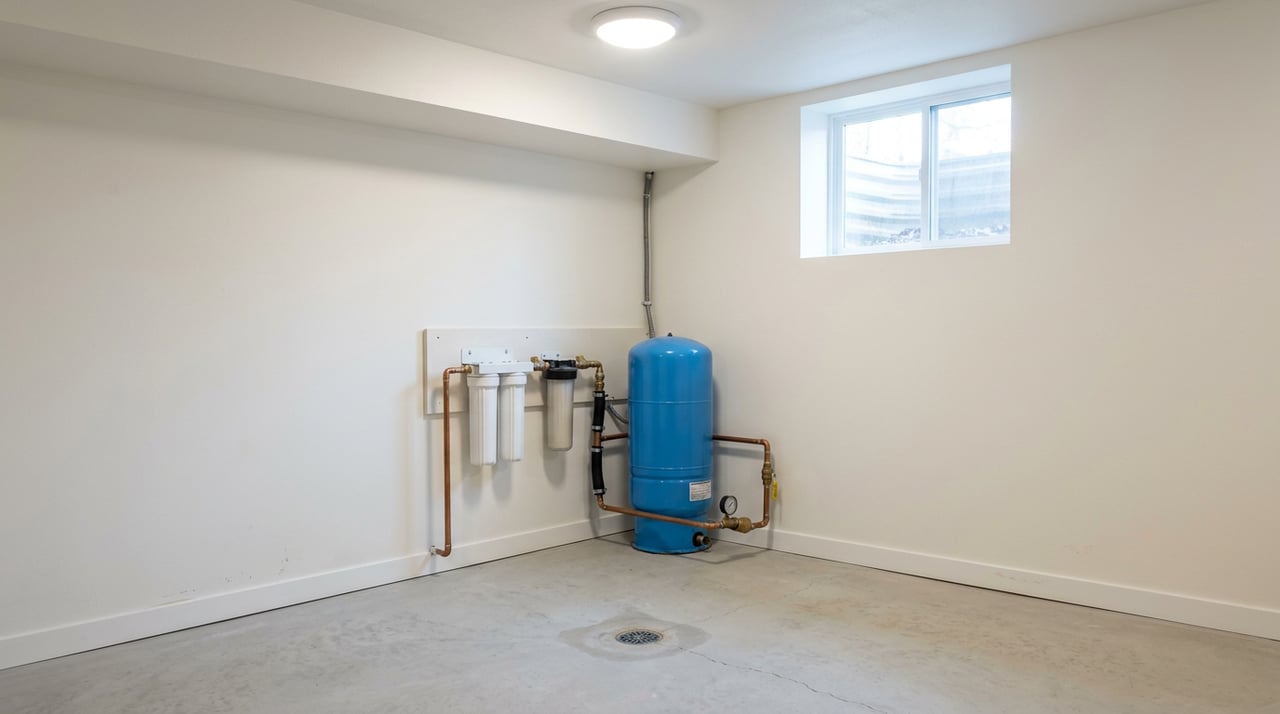
Most acreage homes rely on private wells. In New York, well drillers and pump installers must be registered, and they must file well completion reports. If you need a new well or a yield test, use a DEC-registered contractor and ask for the completion report for your records.
In March 2026, New York launched a Private Well PFAS Testing and Mitigation Rebate Pilot Program that begins in Dutchess and Putnam Counties. If the property is eligible, you can apply for free PFAS testing and rebates toward treatment or a municipal hookup if the results exceed the pilot’s thresholds. This is a valuable tool to include in your inspection plan and negotiations.
Here is a simple well due-diligence plan:
- Ask the seller for the well completion report and any recent lab results.
- Order a lab test for total coliform and E. coli, plus nitrate. Consider a broader panel for metals and other contaminants. Include PFAS testing if the pilot applies.
- If no yield data exists, schedule a yield test, especially if you plan irrigation, a garden, or livestock.
- Keep testing records with your closing documents and note any installed treatment systems.
Septic systems: records and inspections
Dutchess County uses a Residential Sewage Disposal registration and notice process for repairs and like-for-like replacements. Bigger changes or capacity increases usually require a design from a New York State licensed Professional Engineer or another qualified designer and prior approval. Before you buy, ask the seller for septic records on file with the county and confirm the system type, location, and bedroom rating.
Watch for these common issues on acreage:
- No county permit record or missing as-builts. Ask the seller and contact the county for files.
- Tank size that does not match the home’s bedroom count.
- Separation distances between the well and septic components that look tight.
- Alternative systems, like mounds or aerobic units, that need electrical components and more frequent maintenance.
Budget tips: plan a routine pump-out every 2 to 3 years. Local averages are often a few hundred dollars depending on tank size and access. Full system replacements can range from several thousand to low five figures, with costs rising on complex sites. Get multiple local bids before you commit.
Outbuildings, sheds, and small farm uses
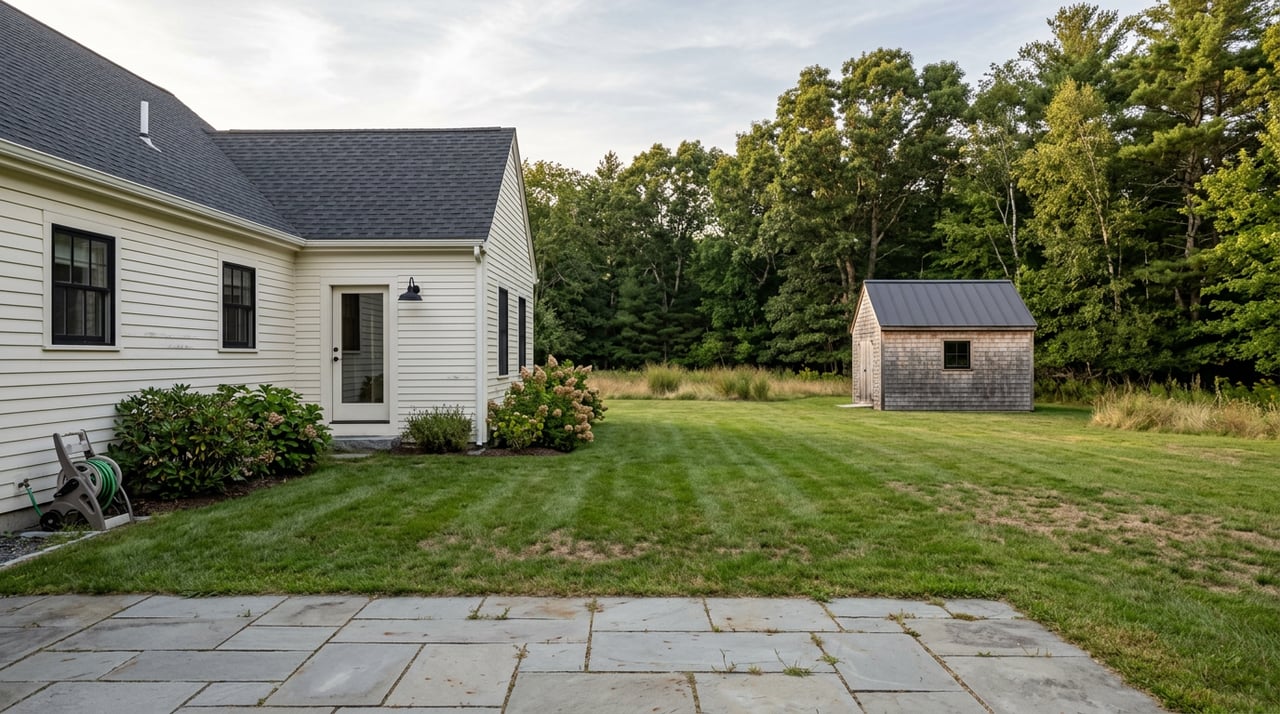
If you want a barn, workshop, or greenhouse, plan your permits early. The Town of East Fishkill has practical shed guidance. It notes a size threshold for permit exemptions in some cases and lists typical side and rear setbacks for small sheds. The official town code also sets definitions and limits for accessory structures. Because the guidance and the code use different numbers in places, confirm current practice with the Building and Zoning Department before you build.
Thinking about small agricultural structures, like hoop houses or high tunnels? Some uses may be allowed, and different rules can apply if the parcel lies within an Agricultural District. Dutchess County also distinguishes between agricultural assessment for tax relief and enrollment in an Agricultural District that provides certain protections. If you are exploring hobby farming or tax programs, call the county planning office and your local assessor first.
Checklist for accessory structures:
- Confirm setbacks and location rules. Many towns require accessory buildings behind the front line of the main house.
- Ask for any recorded deed covenants or HOA rules that limit outbuildings.
- If you plan a larger building, be ready for stamped plans and a certified site survey.
Roads, driveways, and access
Find out who plows and maintains the road. The Town of East Fishkill Highway Department maintains accepted town roads, but private or unaccepted roads are the responsibility of the owners or an association. If the home is on a private road, ask for the road maintenance agreement and a history of annual costs for plowing, grading, and tree work.
If you are adding or changing a driveway that connects to a state route, you will likely need a NYSDOT highway work or driveway permit. Similar permits apply for county or town roads. For long or steep driveways, plan for grading, drainage, and snow management as part of your annual upkeep.
Access checklist:
- Confirm legal access on the title report and survey. If access relies on a private easement, review the document and its maintenance terms.
- If the driveway needs a culvert or crosses low areas, ask early about permits and timelines.
- For new curb cuts on state roads, build in extra time for permit review.
Environmental constraints: wetlands, soils, flood
Environmental features can affect buildability and cost. New York regulates mapped freshwater wetlands and a common 100-foot adjacent buffer. Work in these areas may need state permits. A wetland scientist can delineate exact boundaries if the map suggests wetlands are present.
Soils also matter. Use the NRCS Web Soil Survey to screen for soil types, drainage, and septic suitability. This is a planning tool. Final answers come from on-site soil testing and county review during septic design. If you see floodplain on the maps, talk with the town about development standards and ask your insurance provider for a flood insurance quote before you buy.
Budgeting and upkeep on acreage
Acreage brings freedom and some added annual costs. You will want a first-year budget that covers both routine service and bigger “if needed” line items.
Recurring costs to plan for:
- Mowing and field care. Prices vary with terrain, finish quality, and frequency. Expect a per-visit fee and higher rates for field mowing or specialty landscaping.
- Driveway maintenance. Gravel drives need occasional regrading and fresh stone every few years. Long, steep, or shaded drives can require more frequent work.
- Tree work and fence care. Large trees near the house and long fence lines can add occasional high costs, especially after storms.
System and capital reserves:
- Septic. Budget for regular pumping and set aside a reserve for repairs or a future replacement.
- Well. If your well is older or shallow, plan for potential pump replacement or other upgrades. Always hire a DEC-registered contractor for new drilling or major work.
- Outbuildings. If you plan to add a barn or large shed, include permit, survey, foundation, and utility costs in your planning.
Your due-diligence timeline
A clear timeline keeps the purchase on track and reduces surprises.
Pre-offer:
- Pull the zoning and parcel info on the county map and confirm basics in the town code.
- Ask the seller for the well completion report, recent water tests, septic files, and any permits for accessory structures.
- Walk the site for signs of wetlands, streams, steep slopes, or bedrock ledges.
Under contract:
- Order a boundary survey if the one on file is outdated.
- Schedule a certified lab water test. Add PFAS if the property is eligible for the pilot program.
- Book a licensed septic inspection. If capacity changes are planned, consult a NYS-licensed Professional Engineer before you remove contingencies.
- Run an environmental screen for obvious issues like old fuel tanks, debris areas, or stream crossings.
Before closing or planning changes:
- If you will add bedrooms or move structures, have a septic designer confirm feasibility and next steps.
- If wetlands are on site, hire a wetland consultant to delineate and coordinate permits.
- If you will modify a driveway on a state or county road, confirm the needed highway permit and timeline.
Buying a home with land in Hopewell Junction can be simple when you pair the lifestyle vision with these smart checks. If you want a seasoned, local partner to coordinate inspections, permits, and negotiation strategy, connect with The Price Team. We will help you turn the right acreage into a home that fits how you live.
FAQs
What should I check first when buying acreage in Hopewell Junction?
- Start with the Town of East Fishkill code on Ecode360, verify the parcel’s zoning and overlays on the Dutchess County map, and screen for wetlands and flood zones before scheduling inspections.
How do I handle well water testing for a Hopewell Junction home?
- Ask for the well completion report, test for bacteria and nitrate at a minimum, consider a broader panel, and enroll in the state’s PFAS pilot in Dutchess or Putnam if eligible.
What septic records should I see before I buy a house with land?
- Request the county’s septic file, any SAN36 forms, and as-built plans, then hire a licensed inspector to confirm tank size, system type, and separation distances.
Can I add a barn or large shed on my East Fishkill property?
- Likely, but permit thresholds, setbacks, and size limits apply. Confirm current requirements with the Building and Zoning Department and check for deed or HOA rules.
Who maintains my road if the house is on a private lane?
- Private roads are typically owner- or HOA-maintained. Ask for the recorded maintenance agreement and a history of annual costs for plowing, grading, and tree work.