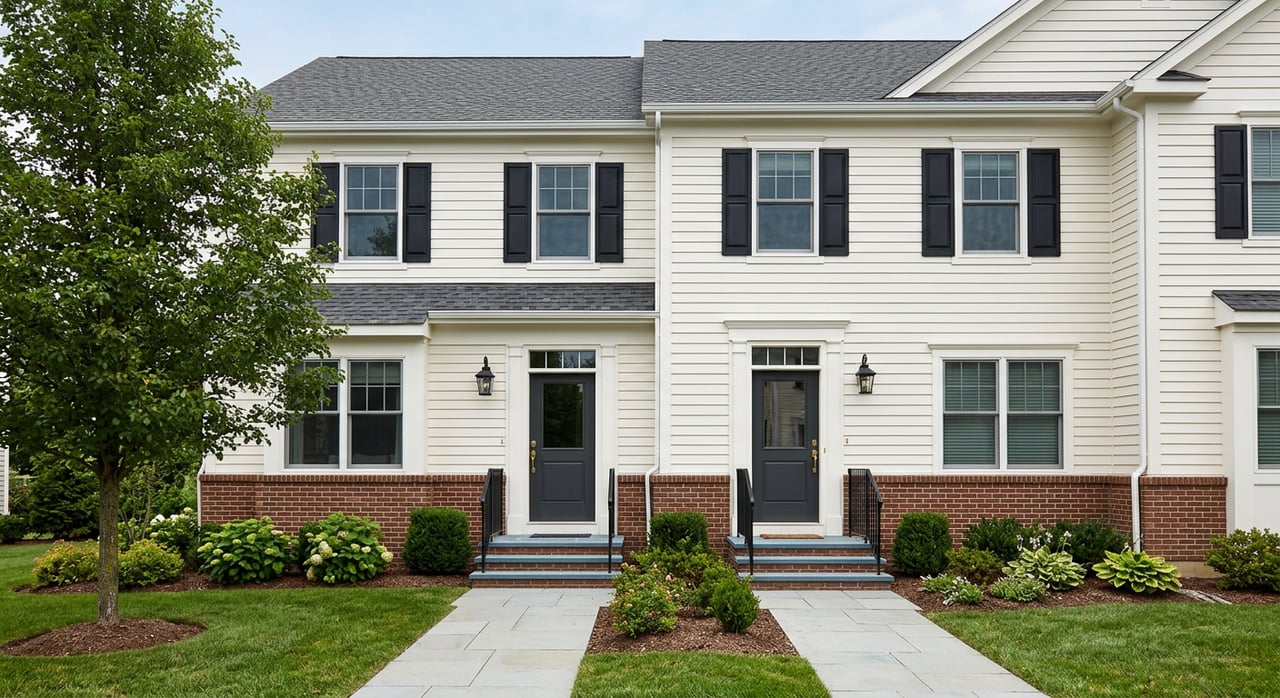
Thinking about trading weekend yardwork for a simpler, lock-and-leave lifestyle in northern Westchester? Condo and townhome living in Yorktown Heights can give you space, convenience, and amenities without the constant exterior upkeep. Whether you are buying your first home or right-sizing, this guide breaks down prices, where communities sit, what HOA fees typically cover, how financing and insurance work, and a smart checklist to shop with confidence. Let’s dive in.
Why choose a condo or townhome in Yorktown Heights
You get suburban convenience without managing a roof, siding, and large yard. Many communities cluster near key corridors, which enhances access to shopping, dining, parks, and the Taconic State Parkway.
You will also find a wide range of price points. In recent years, older 1980s–1990s condominium and townhouse units in Yorktown Heights often appear roughly in the 400,000 to 650,000 range depending on size and updates. Newer luxury townhome phases can list from about 880,000 to 1.2 million. Age-restricted 55 plus condos with one or two bedrooms commonly show in the low 400,000s to roughly the mid 500,000s. At the same time, major market trackers place typical single-family values in Yorktown Heights in the low-to-mid 600,000s, which helps you compare tradeoffs across property types.
Where you’ll find these communities
Condo and townhome communities often sit along or near Route 202 (Crompond Road), close to the Jefferson Valley Mall and Commerce Street area, and near the Taconic State Parkway for commuter access. That location pattern keeps you close to daily needs and regional routes.
Local examples you may see on the market include 1980s-era townhouse neighborhoods like Maple Brook and Quail Court, and communities such as Hunter’s Brook around Beechwood Lane. New phases like Hallocks Square along Crompond Road and Underhill Farms have added modern townhome options in recent years. For downsizers, Yorktown’s 55 plus communities, including those near the Jefferson Valley area, provide smaller footprints with convenient amenities.
HOA fees and how they work
When you buy a condo or townhome in an association, you purchase a home plus membership in a private not-for-profit that maintains the property and enforces rules. An elected board runs the association using recorded documents and a budget. Monthly common charges or HOA dues fund operations and reserves.
What fees often include
In Yorktown Heights, HOA or common charges in many 1980s–1990s communities typically run about 375 to 500 per month, with newer developments showing varied structures. Inclusions commonly cover some combination of landscaping, snow removal, exterior maintenance and roofing where the association owns the exterior, trash service, shared utilities like water in some cases, amenity maintenance for pools or tennis, parking areas, and a master insurance policy that covers the building’s common elements. Always confirm the exact inclusions for the community you are evaluating.
Documents to review before you buy
Ask for the declaration and bylaws, current budget, recent financial statements, reserve study or schedule, insurance certificates, recent board meeting minutes, and any known or pending special assessments. A practical consumer overview of what to request and why is outlined in this HOA due diligence guide from HomeLight. You can review those standard checks in their resource on what to request from an HOA before closing (see the section on documents and fee evaluation) at the HomeLight site: practical HOA due diligence tips.
Red flags to watch
Pay close attention to reserves, delinquency rates, and litigation. Low or unfunded reserves, frequent or large special assessments, a high percentage of owners past due on dues, or active material litigation can hurt property values and may affect financing. Lenders often complete a project review and will look at these items. Fannie Mae explains how project reviews work and why finances and insurance matter in its Condo Project Manager overview and its full project review guidance.
Amenities and day-to-day living
Many Yorktown Heights communities offer pools, tennis or pickleball courts, playgrounds, a clubhouse or fitness space, assigned or garage parking, and on-site storage. 55 plus communities may include activity rooms and organized programs. You get a neighborhood feel with places to gather, plus services that keep common spaces looking cared-for.
What the association handles
In most condo and many townhome setups, the association maintains the exterior envelope, roofs, shared systems, grounds, and amenities. Those costs are shared through monthly dues, which can make budgeting more predictable.
What you handle
You are usually responsible for the interior of your unit and your personal property. You will want an HO-6 condo policy that covers interior finishes, contents, and personal liability, and you should confirm whether the HOA’s master policy is “walls-in” or “bare-walls.” Many owners also add a loss assessment endorsement that can help with certain special assessments after a covered claim. For a plain-English overview of master policies and HO-6 coverage, see Bankrate’s guide to HOA and condo insurance.
To compare costs with a single-family home, consider that many owners set aside about 1 percent to 4 percent of a home’s value per year for maintenance and repairs. On a 600,000 house that can be around 6,000 a year at the low end. A 450 monthly HOA fee totals about 5,400 a year, which may offset a significant portion of exterior and grounds costs, plus amenity upkeep. Real budgets vary, so check what the fee includes and what you will still maintain yourself. For a simple explanation of the maintenance set-aside range, see this summary of annual home maintenance costs.
Financing and approvals: what to expect
Condo and many attached townhome loans require a review of both you and the project. Lenders may use Fannie Mae’s Condo Project Manager or a full review to evaluate reserves, insurance, owner-occupancy, delinquency, and litigation. If a project does not meet standards, your loan options can narrow. Learn how lenders review projects in Fannie Mae’s Condo Project Manager overview and its Full Review process.
If you plan to use FHA or VA financing, confirm early whether the project is approved, or whether a lender can obtain a single-unit approval. You can find FHA guidance and resources on HUD’s condominium approval page.
Practical tip: when you identify a favorite community, give your lender the community name and phase so they can flag any project-review needs up front. New or developer-controlled projects may require more documentation and time.
Insurance and taxes to budget carefully
- Master policy and HO-6: Ask the HOA for the insurance certificate and master policy summary so your agent can tailor your HO-6 coverage correctly. Loss assessment coverage is often smart. For a consumer primer on who covers what, see Bankrate’s HOA insurance guide.
- Property taxes: Westchester County has some of the highest average property tax bills in the country. That means taxes are a major part of your monthly budget. You can see county-level context in ATTOM’s national property tax analysis: 2024 annual tax report. In Yorktown, review exemptions such as STAR and senior programs through the Town Assessor’s office.
Quick regulatory note for New York buyers
New York updated the Property Condition Disclosure Statement in March 2024. While the statute often does not apply to condominium units, you should confirm whether it applies to the property type you are purchasing and review any disclosures you receive. You can read the state’s current form on the Department of State site: New York PCDS form.
A smart buyer’s checklist for Yorktown Heights
Use this list early to focus your search and protect your purchase:
- Confirm property type and legal setup
- Ask whether it is a condominium, townhome in an HOA, or a planned unit development. Confirm if the unit is fee-simple or part of a condominium declaration. Title and financing can differ.
- Gather association documents
- Request the declaration and bylaws, rules, current budget, recent financials, reserve study or reserve schedule, insurance certificates, board minutes for the last 6 to 12 months, and any pending special assessments. For a practical overview, see these HOA due diligence tips.
- Check financial health
- Look for adequate reserves, low delinquency, and transparency about future projects. Fannie Mae’s project review standards outline why lenders care about these items.
- Review physical condition
- Ask about the age and condition of roofs, siding, pavement, and shared systems. Review reserve study timelines for upcoming replacements.
- Ask about litigation and insurance
- Request a summary of any active litigation. Confirm the master policy type, deductibles, and unit-owner insurance requirements. See Bankrate’s HOA insurance explainer.
- Confirm financing path early
- Share the community name with your lender and ask if a full review, CPM, or FHA single-unit approval will be needed. Reference Fannie Mae’s CPM overview and Full Review for context. If you expect to use FHA, start with HUD’s guidance.
- Understand lifestyle rules
- Read pet rules, rental limits, parking policies, and renovation restrictions. Confirm what utilities are included in dues.
- Visit and talk to residents
- Walk common areas, see the amenities in person, and ask residents about maintenance responsiveness and board communication. This often reveals day-to-day realities you will not get from a budget sheet.
Downsizing and 55 plus considerations
If you are exploring a 55 plus community, check for features like first-floor living, elevators, curb-free showers, and on-site activity spaces. Review rules about guests, parking, and any services that matter to your daily routine. For transportation and local senior services that can support an active lifestyle, the Town shares options on its transportation page.
Ready to compare options?
Condo and townhome living in Yorktown Heights offers a practical balance of comfort and convenience, with communities near shopping and commuter routes, amenities that add value, and a range of prices from entry points to luxury. With the right documents in hand and a clear financing path, you can buy confidently and enjoy a low-maintenance lifestyle.
If you would like neighborhood-level guidance, help reading HOA documents, or introductions to trusted lenders and insurance partners, reach out to The Price Team. We will meet you where you are in the process, walk you through the numbers, and help you find the right fit across Westchester and the Hudson Valley.
FAQs
What price range can I expect for condos and townhomes in Yorktown Heights?
- Older 1980s–1990s communities often appear in the 400,000 to 650,000 range, newer luxury townhomes can list around 880,000 to 1.2 million, and many 55 plus condos commonly show in the low 400,000s to mid 500,000s.
What do typical HOA fees cover in Yorktown Heights?
- Dues often include landscaping, snow removal, exterior maintenance where applicable, trash, amenity upkeep for pools or tennis, parking, and a master insurance policy; always verify inclusions for the specific community.
How do condo loans and project approvals work?
- Lenders review both you and the project, checking items like reserves, insurance, occupancy, and litigation; see Fannie Mae’s Condo Project Manager for how projects are evaluated.
What insurance do I need for a condo or townhome?
- Most owners carry an HO-6 policy for interior finishes, contents, and liability, plus a loss assessment endorsement to cover certain shared claims; see Bankrate’s HOA insurance guide.
Are property taxes lower for condos than single-family homes?
- Tax amounts vary by unit and assessment; Westchester’s overall tax levels are high relative to national averages, so include taxes in your monthly budget and explore exemptions with the Yorktown Assessor.
I plan to use FHA or VA financing. What should I check first?
- Confirm whether the project is approved or eligible for single-unit approval as early as possible; FHA resources are available on HUD’s condo approval page.